
 EN
EN

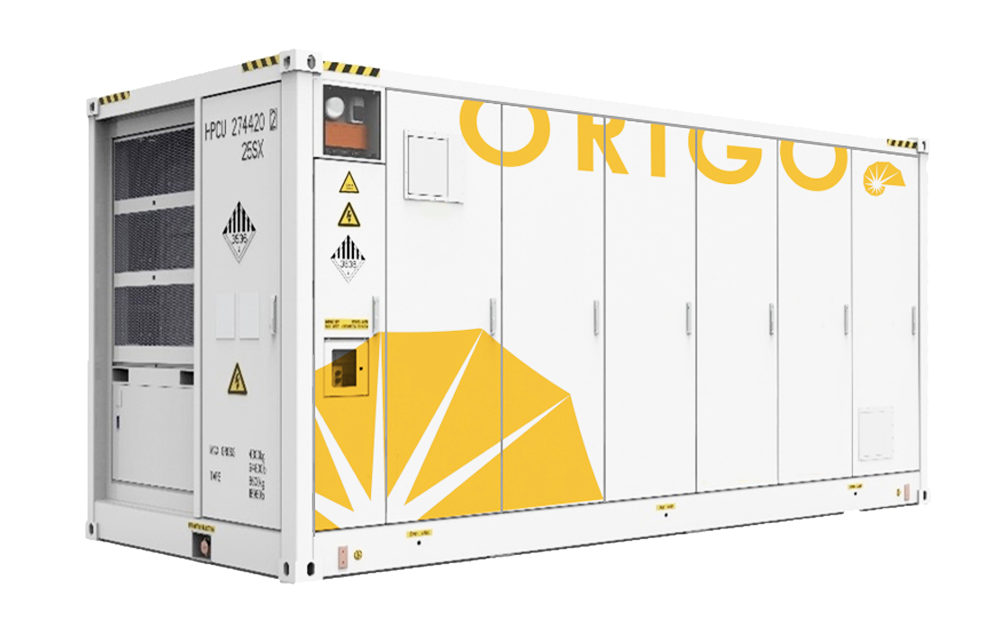
The Intermittency Imperative: Why Grid Energy Storage Is Essential for Renewable Integration
How solar and wind variability creates supply-demand timing mismatches
The problem with solar and wind power is they come and go with the weather, which creates all sorts of issues matching what people need with what gets generated. Take solar for instance it hits its peak around noon, but most folks aren't using much electricity then. Then comes nighttime when everyone turns on lights and appliances, but the sun has gone down completely. Wind power isn't any better either sometimes blowing strong one moment and dying down the next within just a few hours as storms move through. Because of this unreliable nature, grid managers still have to keep those old coal and gas plants running in case the green stuff falls short, which costs money and doesn't make sense long term. The real headache lies in getting enough renewable power online right when demand spikes in the evenings, especially since more and more solar panels get installed across rooftops every year. If we don't find ways to bridge this time gap between when clean energy arrives and when we actually need it, our whole electrical system could become unstable, and we might end up wasting perfectly good renewable power simply because there's nowhere to store or use it.
Empirical grid stress points: ERCOT and CAISO case studies at >30% renewable penetration
Looking at actual data from major US power grids shows there's serious strain when variable renewables hit around 30% of total generation. Take California for instance. Solar output often plummets by 80% between 4pm and 8pm as people come home and turn on lights, appliances, etc., while electricity demand jumps about 40%. This creates a massive gap of 15 gigawatts that operators have to fill quickly using natural gas plants. During last year's brutal heatwave, this so-called "duck curve" situation almost led to rolling blackouts despite all the sunshine during the day. And it wasn't just California struggling. Texas experienced something similar in 2023 when winds died down completely during peak hours. The state saw electricity prices skyrocket to $740,000 per megawatt hour because wind turbines were only producing 8% of their potential capacity at that moment. These real world examples clearly show why having enough energy storage becomes absolutely essential when relying heavily on renewables. Without proper backup systems in place, we risk both power outages and wild price swings exactly when nobody can afford them most.
Core Grid Services Enabled by Grid Energy Storage
Frequency regulation and inertia support: Sub-second response from lithium-ion BESS
Today's power grids need almost instant adjustments just to keep things running at the right frequency, around 50 or 60 Hz depending on location. Lithium-ion battery storage systems respond to these supply and demand fluctuations in under a second, which beats the pants off old school thermal power plants any day. If the grid frequency drops too low, these batteries can push power back into the system within half a second flat. And when there's too much energy coming through, they soak it up instead. This quick thinking helps smooth out all those ups and downs from wind and solar sources, hitting about 90% accuracy in keeping everything balanced. That's way better than the standard 30 to 40% we see from traditional equipment. What makes this even cooler? Advanced inverters now mimic something called rotational inertia, which used to be the sole domain of big spinning generators. They do this by watching for changes in voltage angles across the grid and then tweaking power flow on the fly, almost like a reflex action.
Ramping support and black start capabilityâreplacing fossil peakers with grid energy storage
Energy storage grids cut down on our dependence on those old carbon-heavy peaker plants when electricity demand spikes. Traditional gas turbines take over ten minutes to get going at full power, but battery energy storage systems (BESS) can hit maximum capacity in less than a second flat out responding to unexpected dips in solar or wind production. Take what happened in California during last year's brutal heatwave as proof point. The storage systems kicked in with around 2.4 gigawatts worth of power boosting capabilities within mere minutes, which stopped widespread blackouts from happening. When it comes to getting things back online after total shutdowns, these storage units actually reboot themselves using stored energy reserves before gradually bringing essential parts of the grid back up again something they've shown works well in small scale grid tests. Compared to backup diesel generators, modern storage solutions keep systems running smoothly for several hours thanks to smart charge level controls. All this means grids recover much faster after disruptions about 70% quicker actually and saves roughly 8.2 million tons of greenhouse gases each year in areas where renewable sources dominate the mix.
Technology Landscape: Matching Grid Energy Storage Solutions to System Needs
Pumped hydro vs. battery energy storage systems: Capacity, duration, and deployment constraints
Pumped hydro storage makes up around 95% of all storage capacity worldwide according to the IEA report from 2023. These systems can hold energy for anywhere between six to twenty hours or more, making them great for moving large amounts of power around when needed. The catch? They need certain kinds of terrain to work properly and usually take five to ten years just to get built out. Looking at battery storage solutions like lithium-ion BESS tells a different story. These systems are much easier to install since they come in modules that can be added as needed. Plus, they respond almost instantly to grid signals which is why they're so good at keeping frequencies stable. However, most lithium batteries only last one to four hours at the utility level before needing a recharge. While battery tech gets around the location problems that plague pumped hydro, there's still the issue of limited energy storage per unit size plus ongoing concerns about where all those raw materials actually come from. These factors definitely create hurdles when trying to scale up battery storage across entire regions.
Long-duration options: Flow batteries and green hydrogen for multi-hour balancing
When it comes to balancing energy needs across multiple days or even seasons, flow batteries and green hydrogen really step in where other options fall short in terms of storage time. Take vanadium redox flow batteries for instance they can last between 8 to 12 hours plus without much wear and tear over two decades or so. The catch? These things cost quite a bit up front which keeps them from being widely adopted right now. Then there's green hydrogen, made through electrolysis powered by renewables, that can be stored for months at a time in those big underground salt caverns. Some pilot projects have already shown capacities exceeding 100 megawatt hours. What makes these solutions stand out is how they tackle extended storage requirements without running into the same mineral shortages that plague lithium ion battery production.
Strategic Implementation: Policy, Economics, and Scalability of Grid Energy Storage
Getting grid energy storage up and running effectively needs good policies, solid economics, and tech that can scale up. Regulations help push things forward through stuff like renewable portfolio standards and investment tax credits. But wholesale markets still struggle to properly value what storage can do for both energy trading and backup services. Money remains a big problem too. Lithium-ion systems cost around $350 per kWh these days according to recent data, so companies need creative ways to finance projects by combining different revenue sources to make them worth the investment. We also need better supply chains for those key minerals and more factories producing storage units. Experts estimate we'll need about 485 gigawatts worldwide by 2030 just to handle 65% renewables in our power mix. Getting all these policies aligned matters a lot too. Standards for connecting to grids, local zoning laws, and market rules all create roadblocks that stop progress, especially when dealing with newer storage tech that needs real world testing before it works at scale. When storage gets properly integrated into grid planning, it changes how utilities think about adding new capacity. Instead of just throwing more generators online, they start looking at the whole picture of resources available, trying to meet climate targets without sacrificing reliable power delivery.
FAQ
Why is grid energy storage important for renewable energy integration?
Grid energy storage is crucial because it addresses the supply-demand mismatches caused by the intermittent nature of solar and wind energy, ensuring a stable power supply even during peak demand hours.
What are the challenges of relying on traditional power plants with renewable integration?
Traditional fossil fuel plants have issues with response time and contribute to higher operational costs and emissions. Relying on them as backups can hinder the potential savings and environmental benefits of renewable energy.
How do advanced battery storage systems support grid frequency regulation?
Advanced battery storage systems, like lithium-ion BESS, can respond to frequency changes almost instantaneously, providing quick power inputs or absorption to maintain grid stability effectively.
What types of grid energy storage solutions exist?
There are multiple storage solutions such as pumped hydro, lithium-ion batteries, flow batteries, and green hydrogen, each catering to different needs like capacity duration, deployment constraints, and cost efficiency.
How does policy play a role in the scalability of grid energy storage?
Policy provides regulatory frameworks that facilitate investment and market acceptance of storage solutions, which are essential for the scalability and effective integration into the grid, ensuring that energy storage meets increasing renewable energy targets.
Table of Contents
- The Intermittency Imperative: Why Grid Energy Storage Is Essential for Renewable Integration
- Core Grid Services Enabled by Grid Energy Storage
- Technology Landscape: Matching Grid Energy Storage Solutions to System Needs
- Strategic Implementation: Policy, Economics, and Scalability of Grid Energy Storage
-
FAQ
- Why is grid energy storage important for renewable energy integration?
- What are the challenges of relying on traditional power plants with renewable integration?
- How do advanced battery storage systems support grid frequency regulation?
- What types of grid energy storage solutions exist?
- How does policy play a role in the scalability of grid energy storage?