
 EN
EN

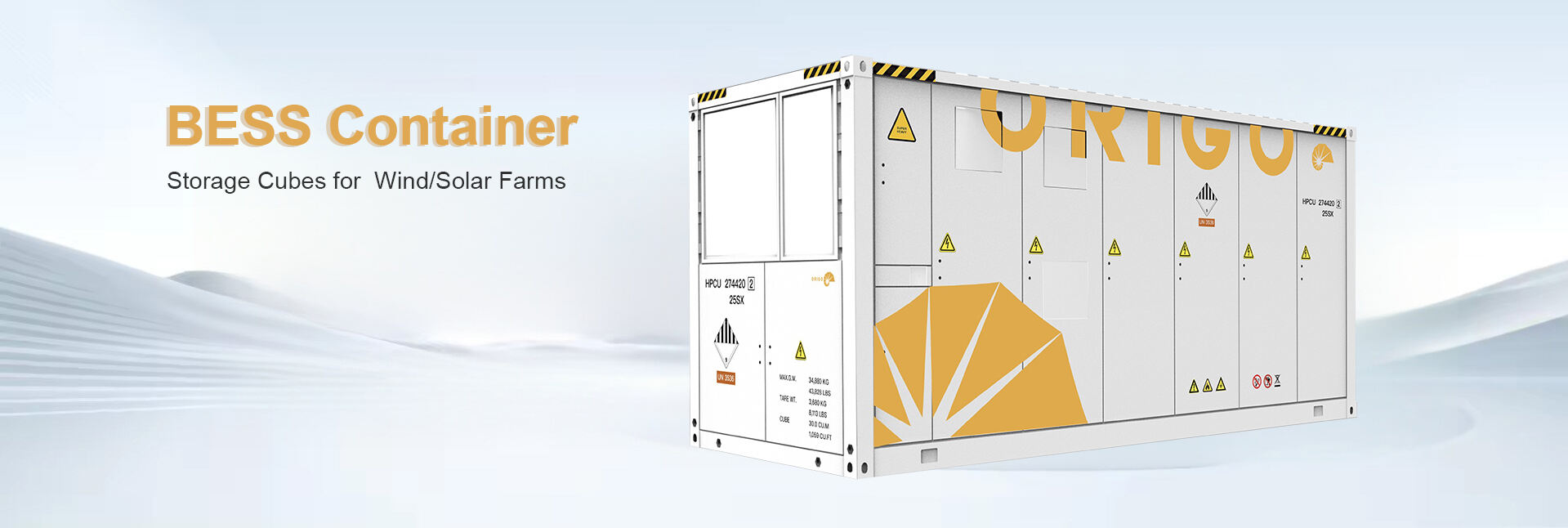
Understanding Hybrid Solar and Energy Storage System Architecture
Hybrid solar and energy storage systems combine photovoltaic technology with advanced battery storage to create resilient, self-sufficient power solutions—fundamentally transforming how energy is captured, stored, and utilized.
Core components: solar panels, batteries, hybrid inverters, and control systems
These integrated energy systems rely on four main components working together. First, solar panels take sunlight and turn it into direct current electricity. Then there are those big battery packs that save extra power generated during sunny days for when the sun isn't shining so bright. At the heart of everything sits the hybrid inverter, which acts like the brain of the operation, switching back and forth between the direct current coming from solar panels and batteries, and alternating current needed for homes and the electrical grid. Rounding out the package are smart control systems that keep tabs on how energy moves around, making real time adjustments through machine learning techniques. The whole setup lets homeowners use about 90 percent of their own solar power right where it's produced. That's almost twice as good as regular grid connected systems which usually manage only 40 to 60 percent according to recent studies by NREL in 2024. For most people, this means less reliance on outside power sources and bigger savings over time.
How smart architecture enables seamless energy flow and self-consumption optimization
Smart power electronics manage energy flow in real time through what's called three phase balancing. On sunny days when panels are producing more than needed, the system sends extra power to batteries rather than sending it back to the utility company. If the house needs more electricity than the solar panels can provide at any given moment, the stored battery power kicks in to cover the difference. The grid is only used as a backup during long stretches without sun or when batteries run really low on charge. These systems also look at weather predictions and past energy consumption habits to decide when to top off the batteries before times when demand might spike. The result? Households rely much less on the main power grid - sometimes cutting their connection down by around 80%. People save money too, with monthly bills dropping between 30% to maybe even half depending on local rates. And during power outages, special switches automatically disconnect essential appliances from the failing grid so they keep running until power returns.
| System Function | Daytime Operation | Night/Outage Operation |
|---|---|---|
| Solar Generation | Directly powers loads + charges batteries | Disabled |
| Battery Activity | Charging cycle activated | Discharges to support critical loads |
| Grid Interaction | Minimal import during cloud cover | Minimal import during battery depletion |
| Control Priority | Maximize self-consumption | Ensure backup resilience |
This multi-layered coordination creates a self-regulating energy ecosystem where components communicate via interoperable protocols like IEEE 2030.5, ensuring voltage stability even during abrupt load changes—turning homes into responsive microgrids that balance production, storage, and consumption without manual intervention.
Sizing and Configuring Your Hybrid Solar and Energy Storage System
Matching Battery Capacity and Solar Array Size to Load Profiles and Goals
Getting the right size system starts by looking at electricity bills from the past year to figure out what kind of daily power consumption we're dealing with. Most single family homes tend to use around 20 to 30 kilowatt hours each day on average. But there are other things to consider too. Electric vehicles will add about 300 to 400 extra kilowatt hours per month when factoring in charging needs. Seasonal changes matter as well. Homes in colder northern areas generally need solar panels that are 15 to 20 percent bigger because winter sunlight just isn't as strong. People living where storms happen frequently might want to focus more on having good backup power rather than trying to hit exact yearly production targets. For residential installations, aiming for solar arrays that can handle between 100 and 120 percent of total annual energy use works best. That usually means somewhere between 8 and 12 kilowatts for most homes. Larger properties or households with multiple electric cars could end up needing systems in the 15 to 20 kilowatt range instead. When it comes to batteries, going for storage that covers about half to three quarters of daily energy needs makes sense for most situations. This helps keep costs reasonable while still providing decent protection during outages. The really deep discharge capabilities are better saved for those special cases where certain essential appliances absolutely must stay powered no matter what happens.
Advanced Configuration Strategies for Grid Independence, Backup Resilience, and Peak Shaving
To achieve grid independence, set up systems that can keep essential services running for anywhere from a day to three days straight when the main grid goes down. Smart inverters are key here because they switch over automatically during power cuts without any interruption. For businesses looking to cut costs, battery storage makes sense too. Program them to release stored energy when electricity rates spike, which typically saves between 20 and 40 percent on demand charges for commercial operations. Build extra reliability into the system by designating certain circuits as absolutely necessary ones first. Think about things like hospital equipment, cold storage units, and emergency lighting. Pair these batteries with backup generators for situations where the blackout lasts longer than expected. Energy management software adds even more value by capturing excess solar power generated at noon and saving it for later in the day. Most installations hit over 90% usage of their solar production this way. What we're seeing now is that these hybrid setups aren't just about having power when needed anymore. They've become real money makers too through various means including selling back unused energy, protecting against blackouts, and participating in special programs offered by local utilities.
Financial Optimization of Hybrid Solar and Energy Storage Investments
Maximizing bill savings through time-of-use arbitrage and demand charge reduction
Hybrid systems actually save money in two main ways: time of use arbitrage and reducing those pesky demand charges. With TOU arbitrage, we basically store cheap solar power when rates are low and then use it later when prices jump up. Studies from Lawrence Berkeley show this can cut energy costs anywhere between 20% to 40%. At the same time, these battery systems help companies avoid drawing so much power from the grid during peak hours, which means lower demand charges that often take up 30% to 70% of what businesses pay on their electric bills. Smart controllers look at upcoming rate changes and how much power will be needed throughout the day, making automatic decisions about when to discharge stored energy while still keeping everything reliable. To get good savings, most experts recommend sizing batteries big enough to handle around 80% of daily peak usage and matching discharge times with how utilities bill for power.
Leveraging federal, state, and utility incentives for hybrid solar and energy storage
The Federal Investment Tax Credit or ITC is still probably the biggest deal out there when it comes to incentives. It gives folks a 30% tax break for putting in residential or commercial hybrid systems all the way through 2032. This covers not just solar panels but also batteries that meet certain standards if they're installed at the same time as the solar setup or within a year after installation. Looking beyond what Washington offers, about 26 different states have their own perks too. Some give tax breaks, others hand out cash rebates, while a few actually reward performance based on how much energy gets stored alongside solar power generation. Take California's SGIP program or New York's NY-SUN Storage Incentive as good examples of this approach. Power companies are getting into the act as well by compensating customers around $100 to $200 each year for every kilowatt of storage capacity that can be dispatched when needed. Want to get the most bang for your buck? Combine all these different incentives with something called bonus depreciation where businesses can deduct 100% of costs in year one for eligible projects. And don't forget to check if equipment qualifies right from the start since many programs need things like UL 9540 certification or particular requirements for connecting to the grid.
Ensuring Long-Term Performance and ROI Through Smart Maintenance
Regular maintenance matters a lot if we want our systems to keep performing well over time and get good returns on what we spend. When people neglect to check things regularly and do some basic upkeep, hybrid systems tend to drop around 20% in efficiency after just five years from problems like dust buildup, batteries wearing down, and parts getting old. The smart way to handle this involves using remote monitoring tools along with predictive analysis software that spots issues early on before they cause bigger problems. Think about things like voltage changes, heat distribution problems, or when components stop talking to each other properly. This kind of proactive approach actually makes equipment last between 30 to 40 percent longer than waiting until something breaks down, which cuts down on those frustrating unexpected shutdowns that waste money and energy. To really make it work, schedule electrical checks every three months, look at battery health twice a year including checking charge levels and overall capacity, and keep tabs on system performance through built-in monitoring tools. Doing all these things helps maintain top performance, keeps backup power working when needed during power cuts, and delays expensive replacement costs so the whole hybrid setup continues delivering good value throughout its useful life.
FAQ
What are the core components of a hybrid solar and energy storage system?
The primary components include solar panels, batteries, hybrid inverters, and smart control systems. These elements work in tandem to optimize energy production and consumption for most efficient use.
How do hybrid systems optimize energy flow and self-consumption?
Hybrid systems use smart power electronics that manage real-time energy flow through three-phase balancing, optimizing self-consumption and reducing reliance on the main power grid by up to 80%.
What considerations are involved in sizing a hybrid solar system?
Sizing a system involves evaluating past electricity bills, considering additional loads like electric vehicles, seasonal changes, and deciding on the level of grid independence and backup resilience desired.
What financial benefits and incentives are available for installing hybrid solar systems?
Financial benefits include savings via time-of-use arbitrage and demand charge reductions. Incentives like the Federal ITC offer a 30% tax break, with additional state and utility incentives augmenting financial savings.
How important is maintenance for hybrid systems?
Regular maintenance is crucial for long-term efficiency and system longevity. Neglect can lead to a 20% drop in efficiency within five years. Proactive measures include remote monitoring, predictive analysis, and regular system checks.
Table of Contents
- Understanding Hybrid Solar and Energy Storage System Architecture
- Financial Optimization of Hybrid Solar and Energy Storage Investments
- Ensuring Long-Term Performance and ROI Through Smart Maintenance
-
FAQ
- What are the core components of a hybrid solar and energy storage system?
- How do hybrid systems optimize energy flow and self-consumption?
- What considerations are involved in sizing a hybrid solar system?
- What financial benefits and incentives are available for installing hybrid solar systems?
- How important is maintenance for hybrid systems?