
 EN
EN
Core Architectures and Deployment Models for Industrial Lithium Battery Storage
Containerized and All-in-One BESS Solutions for Fast C&I Deployment
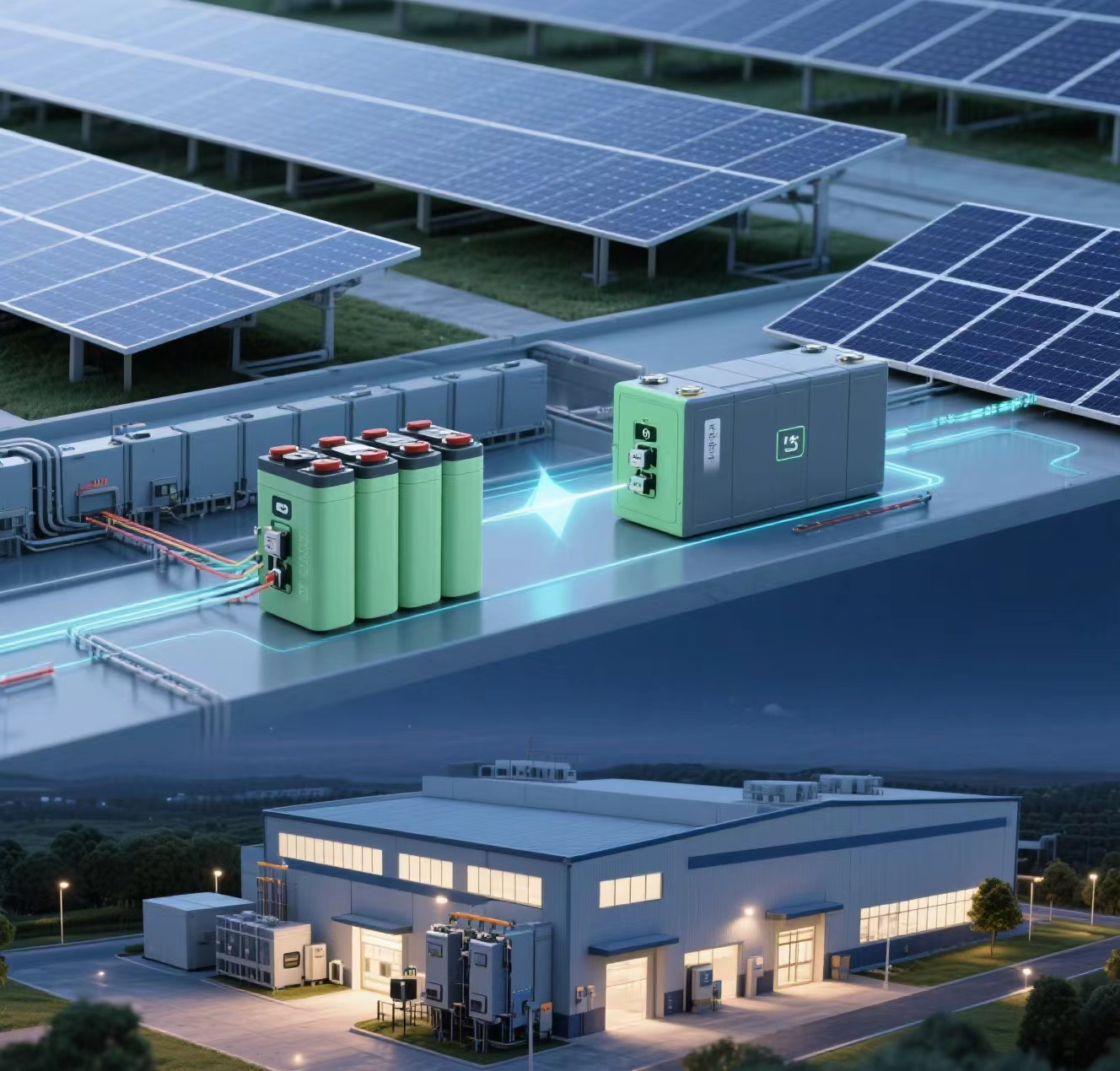
Battery storage systems that come in container form are changing how businesses store energy. These ready-made units pack everything together - power conversion equipment, temperature control systems, even fire safety features. What does this mean? Faster deployment times. Most projects can go from order to operation within 8 to 12 weeks, which beats out conventional installations by about two thirds. The whole package is designed to be simple to install. No need for complicated on site engineering work, which cuts down installation expenses around 30%. Capacity options range pretty widely too, starting at 100 kilowatt hours all the way up to 20 megawatt hours. Manufacturing plants and other large operations that struggle with limited space or need quick solutions for managing electricity peaks find these all inclusive systems particularly useful. They get their systems running fast without waiting forever for grid connections.
Retrofitting Legacy Facilities vs. Integrating Lithium Battery Storage in Greenfield Projects
When it comes to retrofitting old industrial sites, companies generally face about 15 to 25 percent more in integration costs compared to building from scratch. The main culprits? Old equipment that doesn't play nice with modern systems and all those headaches about rearranging space to fit new tech. On the flip side, brownfield projects where we upgrade existing structures do offer quicker returns on investment. We're talking around 40 to 70 percent faster ROI because we can work with what's already there instead of starting completely fresh. Greenfield projects have their own advantages though. These brand new sites can be strategically placed right next to power substations or renewable energy sources, which cuts down on energy loss by roughly 12 to 18 percent thanks to direct DC connections. Factory engineers working on new manufacturing campuses consistently see better results too. When battery storage systems are designed alongside production lines from day one, efficiency jumps by about 22 percent compared to trying to bolt them onto facilities that are already ten years old or more.
Thermal Management Essentials for High-Power Industrial Lithium Battery Storage
Why Liquid Cooling Is Critical for Industrial Lithium Battery Storage Above 500 kW
For industrial lithium battery storage systems over 500 kW capacity, liquid cooling becomes absolutely necessary. When these systems operate at such scales, the fast charging and discharging processes create massive amounts of heat that standard air cooling simply cannot handle. Liquid cooling solutions work much better since they conduct heat away about three times faster than air does. This keeps battery cells operating in their sweet spot between 15 and 35 degrees Celsius. Why does this matter so much? Well, research shows that if temperatures go just 10 degrees above 25°C, the life expectancy of lithium-ion batteries gets cut in half. Take a 1 megawatt system as an example – during peak times it might generate around 50 kilowatts worth of heat. Keeping temperatures under control doesn't just maintain stable performance; it actually saves money too. Systems using liquid cooling typically consume 15 to 25 percent less energy for cooling purposes compared to those relying on forced air methods.
Mitigating Thermal Runaway and Ensuring Fire-Safe Operation in Dense Installations
Preventing thermal runaway in dense lithium battery storage requires layered safeguards. When a single cell overheats, temperatures can exceed 400°C in seconds—potentially propagating across adjacent units. Modern solutions combine:
- Cell-level fuses and pressure-sensitive separators that isolate compromised units
- Phase-change materials absorbing 150–200 kJ/kg during thermal events
- Continuous gas composition monitoring to detect early off-gassing
Industry data shows such integrated approaches reduce fire risk by 90% versus passive designs. Crucially, fire-resistant ceramic barriers between modules confine incidents to under 0.5 m²—vital for facilities with narrow aisle spacing (<1 m). These measures ensure UL 9540A compliance while sustaining 99.95% uptime in mission-critical operations.
Proven Cost-Saving Applications of Industrial Lithium Battery Storage
Peak Shaving and Demand Charge Reduction: Real-World ROI Benchmarks ($8–15/kW-month)
Demand charges can eat up around 30 to 50 percent of what businesses pay for electricity overall. These charges basically penalize companies when they use too much power at once, usually looking at those brief spikes that last just 15 to 30 minutes. When companies discharge their lithium batteries strategically during these peak times, they typically cut down on these demand charges by about 20 to 30 percent. According to various industry reports, many businesses see their investment pay off within 5 to 7 years simply by managing these demand issues. The savings range somewhere between $8 and $15 per kilowatt month. Take a look at a real world scenario: if a facility has a 500 kW system and manages to avoid 100 kW of peak demand, it could save roughly $14,400 every year when the demand rate stands at $12 per kW. Manufacturing plants and data centers find this kind of flexibility particularly useful since they tend to consume massive amounts of energy regularly.
Time-of-Use Arbitrage and Grid Services Revenue Streams
Lithium batteries let industrial sites purchase cheaper electricity when demand is low and then use it later when prices jump up. This strategy has become pretty common these days and goes by the name time-of-use arbitrage in industry circles. Take California for instance, where the difference between peak and off-peak rates can be over twenty cents per kilowatt hour. That kind of spread really adds up over time for businesses looking to cut costs. Beyond just saving money on their own bills, many facilities actually make extra cash by selling stored power back to the grid. Some get paid around thirty to fifty dollars per kilowatt annually for helping maintain stable frequency levels. And there are even more ways to earn through special programs that pay companies to reduce usage during critical moments. These multiple income streams not only improve bottom lines but also help keep the entire electrical system running smoothly during times of stress.
Operational Resilience and Productivity Gains from Industrial Lithium Battery Storage
Lithium battery storage for industrial applications gives companies real resilience when the power grid fails, stopping those expensive production stoppages that can cost over seven hundred forty thousand dollars every single hour according to Ponemon Institute research from last year. When there are brownouts or full blown outages, these battery systems keep things running smoothly so supply chains don't get disrupted, especially important for processes where timing matters a lot. And while we're talking about benefits, there's also the maintenance factor. Lithium batteries need about 70 percent less upkeep compared to old fashioned lead acid ones, plus they handle quick top-ups much better. Warehouse managers who've switched to this tech tell us their throughput goes up between 18 to 22 percent because they no longer have to stop everything for battery changes. Forklifts and other material handling gear just keep going without interruption most of the time now. Combine reliable backup power with smoother day to day operations and factories see actual improvements in what they produce.
FAQ
What is the benefit of using containerized BESS solutions?
Containerized Battery Energy Storage Systems (BESS) provide a fast deployment option as all necessary components are packaged together, reducing installation complexity and costs by up to 30%. They are especially beneficial for manufacturing plants and facilities lacking space.
How do retrofitting costs compare to greenfield projects?
Retrofitting older industrial sites can incur 15-25% more in integration costs compared to greenfield projects. However, brownfield projects offer 40-70% faster ROI by utilizing existing infrastructure, while greenfield projects can improve efficiency by up to 22% when integrated from the start.
Why is liquid cooling necessary for large-scale lithium battery storage?
In systems over 500 kW, liquid cooling is crucial for managing the significant heat generated, keeping battery cells at optimal operating temperatures, extending battery lifespan, and reducing energy consumption for cooling by up to 25% compared to air cooling.
How can lithium batteries reduce demand charges?
By using lithium batteries strategically during peak demand periods, businesses can reduce demand charges by 20-30% and see ROI within 5-7 years, saving between $8 and $15 per kilowatt month.
What is time-of-use arbitrage?
Time-of-use arbitrage involves buying electricity at low demand times and using it when prices are higher, significantly cutting costs. Facilities also earn additional revenue by selling excess stored power back to the grid.
Table of Contents
- Core Architectures and Deployment Models for Industrial Lithium Battery Storage
- Thermal Management Essentials for High-Power Industrial Lithium Battery Storage
- Proven Cost-Saving Applications of Industrial Lithium Battery Storage
- Operational Resilience and Productivity Gains from Industrial Lithium Battery Storage
- FAQ