
 EN
EN
Of hoogcyclische lithiumbatterijen voldoen aan de langetermijnbehoeften voor industriële toepassingen, is een centraal punt geworden voor de meeste industriële en commerciële bedrijven die op zoek zijn naar consistente energie-alternatieven. Met de modernisering van industriële processen en de groeiende behoefte aan milieuvriendelijke energieopslag, beïnvloedt lithiumbatterijtechnologie—met name qua levensduur in cycli en langetermijnbetrouwbaarheid—de operationele efficiëntie en kostenbeheersing aanzienlijk. Bedrijven die ononderbroken lithiumbatterijsystemen nodig hebben voor energievoorziening, hebben batterijproducten nodig die bestand zijn tegen continue operationele prestaties gedurende lange periodes, wat ononderbroken productie en lagere operationele kosten op de lange termijn waarborgt.
Cycli levensduur: De kernindicator voor langetermijngebruik in de industrie
Als het gaat om de langetermijn industriële toepassingen van hoog-cyclische lithiumbatterijen, wordt de levensduur van de cyclus een cruciale indicator om te bepalen of ze gedurende een langere periode aan de industriële behoeften kunnen voldoen. In de meeste gevallen verliest een gewone industriële lithiumbatterij na 3.000 tot 5.000 laad- en ontlaadcycli ongeveer 30% tot 40% van zijn oorspronkelijke opslagcapaciteit, wat geen ondersteuning biedt voor een industriële situatie waarin verwacht wordt dat de batterijen continu meer dan 5 tot 10 jaar moeten functioneren. Na meer dan 16 jaar onderzoeks- en ontwikkelingsinspanningen op het gebied van commerciële en industriële energieopslag heeft The Origotek Co., Ltd. echter de vierde generatie van haar producten bereikt. De hoog-cyclische lithiumbatterijen van deze generatie kunnen meer dan 8.000 laad- en ontlaadcycli doorstaan en verliezen minder dan 20% van hun oorspronkelijke opslagcapaciteit. Al deze feiten tonen aan dat het technisch mogelijk is om aan de langetermijngebruiksbehoeften van industriële bedrijven tegemoet te komen.
De doorbraken die Origotek heeft bereikt, zijn te wijten aan de nadruk op structurele optimalisatie en innovaties op het gebied van materialen. Binnen het bedrijf maken verbeteringen aan de materiaalsamenstelling die wordt gebruikt in lithiumbatterijen en de verhoging van de stabiliteit van het materiaal tijdens laad- en ontlaadcycli deel uit van de voortdurende ontwikkelingsvoortgang. Tegelijkertijd zorgt de geoptimaliseerde batterijarchitectuur zeer effectief en aanzienlijk voor een vermindering van het verlies door interne weerstand en stabiliseert de energieomzettingsefficiëntie gedurende langdurig gebruik. Het is juist bij deze technologisch geavanceerde verbeteringen dat het voordeel van een verlengde levensduur van de batterijen zichtbaar is. Dit geldt met name voor hoog-cyclische lithiumbatterijen die worden gebruikt in industriële toepassingen, waarbij deze batterijen continu 8 tot 10 jaar kunnen worden gebruikt zonder dat vervanging nodig is.
Stabiliteit en veiligheid tijdens lange cycli: de basis voor langetermijn industriële toepassingen
Om een accu volledig te integreren in langetermijn industriële toepassingen, moet de levensduur van de accu lang zijn, maar daarbij moet ook onverminderde stabiliteit en veiligheid gegarandeerd zijn. De omgeving waarin deze accu's worden gebruikt, kent extreme en slecht gereguleerde omstandigheden die extra risico's met zich meebrengen, zoals wisselende temperaturen (van -20 tot 50 graden Celsius), extreme vochtigheid en aanzienlijke, onvoorspelbare schommelingen in het stroomverbruik. Deze omstandigheden kunnen leiden tot veiligheidskritische problemen zoals thermische doorloping van lithiumbatterijen en kortsluiting. Gezien deze situaties is het een fundamentele eis dat lithiumbatterijen met hoge cycli een hoog niveau van betrouwbare prestaties moeten tonen om in aanmerking te komen voor langdurige industriële toepassingen.
Origotek heeft specifieke oplossingen die gericht zijn op het oplossen van deze uitdagingen. De lithiumbatterijen van de vierde generatie met hoge cycli komen met intelligente thermische beheersystemen die automatisch kunnen aanpassen aan veranderingen in omgevingstemperatuur. De batterijen kunnen de laad- en ontladingsrendement behouden wanneer de temperatuur tot een bepaald niveau daalt. Als de interne temperatuur echter boven de drempel komt, worden koelmaatregelen getroffen om oververhitting van de batterij te voorkomen. Bovendien bevatten de batterijen extra veiligheidsmaatregelen, waaronder bescherming tegen overladen, ontladen en kortsluiting, die snel de stroomkring kunnen isoleren in geval van nood, om veiligheidsrisico's te beperken.
Naast het leveren van afzonderlijke batterijproducten, ontwerpt The Origotek ook geïntegreerde energiesystemen die zijn afgestemd op de specifieke behoeften van individuele industriële en commerciële klanten. Of de toepassing nu piekvermindering, een virtuele centrale of noodstroomvoorziening betreft, het bedrijf koppelt lithiumbatterijen met een hoog aantal cycli aan de relevante besturingssystemen en hulpapparatuur om te garanderen dat het volledige energieopslagsysteem langdurig stabiel blijft functioneren.
Aanpasbaarheid en duurzaamheid: De verlenging van langetermijnwaarde
Om hoge-cyclus lithiumbatterijen van blijvande waarde te maken, moeten we nadenken over duurzaamheid op lange termijn, met name in relatie tot hernieuwbare energie en koolstofneutraliteit. De integratie van hernieuwbare bronnen — zonne- en windenergie — in de energiesystemen voor productie van industriële installaties wordt steeds gebruikelijker. Deze trend vereist het gebruik van hoge-cyclus lithiumbatterijen die aanpassingsvatbaar zijn aan schommelende energie- en opslagbehoeften. Tot slot speelt ook de recycleerbaarheid van batterijen na gebruik bij de industriële klant een cruciale rol voor de langetermijnwaarde in industriële omgevingen.
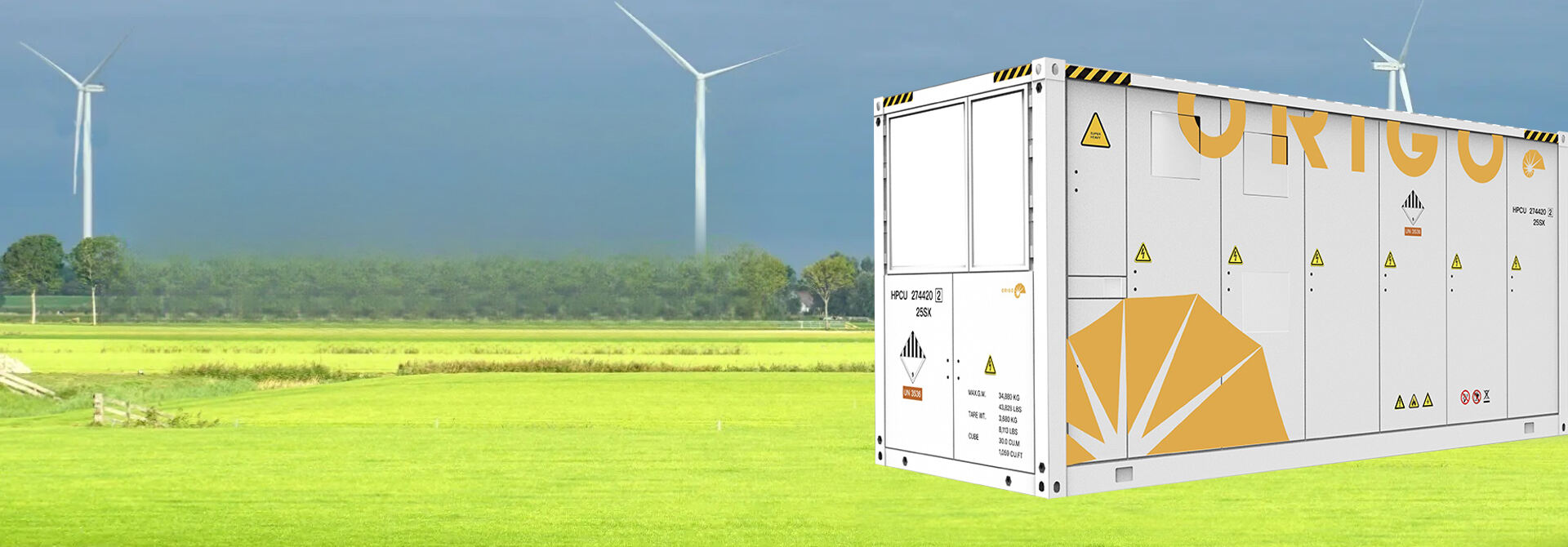
De lithiumbatterijen voor hoge cycli die worden geproduceerd door Origotek tonen uitstekende aanpassingsvermogen aan systemen voor hernieuwbare energie. Ze reageren onmiddellijk op de onvoorspelbare opbrengst van zonne- en windenergie, slaan energie op tijdens periodes van hoge opbrengst en geven energie vrij tijdens periodes van lage opbrengst om de bedrijfsenergievoorziening stabiel te houden. Deze responsiviteit verhoogt de marktdefiniërende capaciteiten van lithiumbatterijen voor hoge cycli, waardoor industriële installaties hun afhankelijkheid van traditionele fossiele brandstoffen kunnen verminderen—een afstemming op de huidige verschuiving naar ecologisch verantwoorde industriële praktijken.
Wat betreft duurzaamheid omarmt The Origotek het principe van 'de droom van de mensheid over energieonafhankelijkheid bevorderen' en richt zich op de verbetering van de recycleerbaarheid van lithiumbatterijen met een hoge levensduur. Het modulaire ontwerp van het bedrijf maakt het mogelijk om batterijen eenvoudig te demonteren en te recyclen aan het einde van hun levensduur. Daarnaast heeft het een initieel recyclingprogramma voor batterijen ontwikkeld om lithiumbatterijen in te passen in een duurzamere recyclingaanpak en bedrijven die zich richten op batterijen, milieuvriendelijke, duurzame energieoplossingen aan te bieden, terwijl vervuiling en verspilling van bronnen worden vermeden of tot een minimum worden beperkt.
Conclusie
Op het gebied van levensduur, stabiliteit, veiligheid, aanpasbaarheid en ecologische duurzaamheid zijn hoogcyclische lithiumbatterijen meer dan in staat om aan de langetermijneisen van industrieel gebruik te voldoen. De uitgebreide ervaring van Origotek op het gebied van industriële en commerciële energieopslag gedurende de afgelopen 16 jaar, gecombineerd met de vierde generatie hoogcyclische lithiumbatterijen van het bedrijf, is daar het bewijs van. Hoogcyclische lithiumbatterijen, samen met op maat gemaakte complete energiesystemen, vormen een praktische oplossing voor directe opslagvraagstukken, maar ook een manier voor industriële en commerciële partijen om hoogcyclische lithiumbatterijen tot een pijler van hun algehele energiesysteem te maken om zo duurzame groei op lange termijn te bereiken. De komende decennia zullen de tijd zijn waarin hoogcyclische lithiumbatterijen hun bijdrage aan het industriële energiesysteem verder versterken en bijdragen aan de hervorming en vooruitgang van het wereldwijde industriële energienetwerk.