
 EN
EN

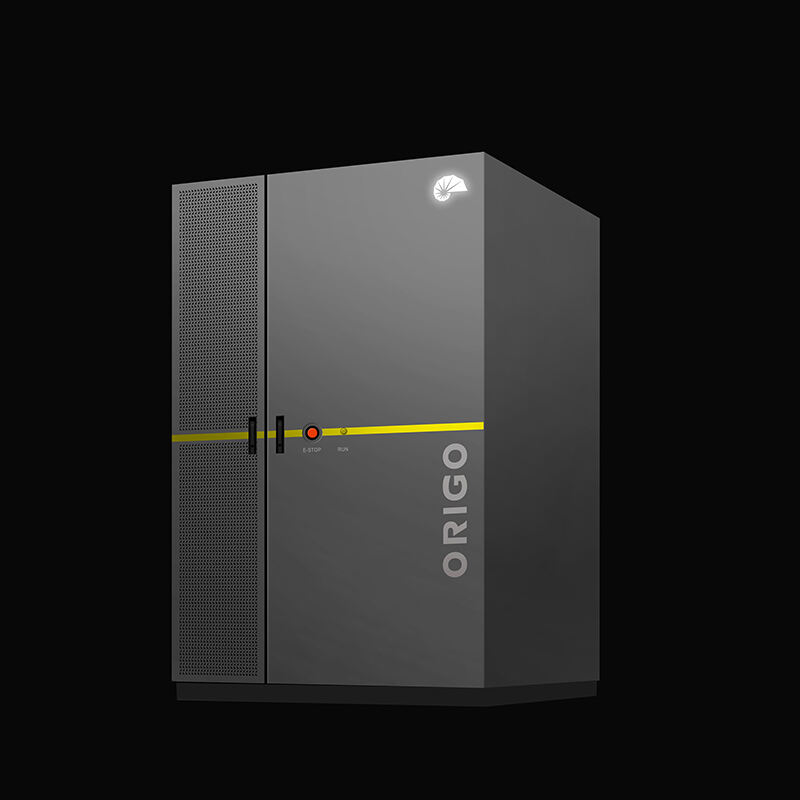
Met de stijging van de elektriciteitsprijzen en de groeiende wens om energie-onafhankelijk te zijn, is ook de interesse van huiseigenaren in residentiële energiesystemen toegenomen. Een veelgestelde vraag is: helpen deze systemen om kosten voor huishoudelijke elektriciteit te besparen? Het antwoord is ja, maar de besparingen kunnen variëren afhankelijk van de toepassing van het systeem, het lokale energiebeleid en de algehele kwaliteit van het systeem. Het besparingspotentieel, bepalende factoren en de keuze van een geschikt systeem worden hierbij cruciaal voor potentiële huiseigenaren. Hieronder wordt geprobeerd de waarde van residentiële energiesystemen te verduidelijken wat betreft besparing op elektriciteitskosten, met aandacht voor de toepassing van het systeem, het lokale energiebeleid en de algehele kwaliteit van het systeem.
Kernmechanismen: Hoe residentiële energieopslag de elektriciteitskosten verlaagt
Piekuur-daluur arbitrage. Het gebruik van piekuur-daluur arbitrage houdt rekening met de stroomprijsafhankelijk van het tijdstip die in verschillende regio's wordt toegepast, waarbij huishoudens grote hoeveelheden energie verbruiken voor koken en verwarmen van 19:00 tot 22:00 uur, terwijl daluren 00:00 tot 06:00 uur omvatten. Huishoudelijke energiesystemen besparen geld door op te laden tijdens de daluren en stroom af te geven aan het huis tijdens de piekuren. Hierdoor kunnen huishoudens duur stroomverbruik tijdens piekuren vermijden. Denk aan een besparing van $1,80 per cyclus van een 10kWh-systeem ($0,30 - $0,12 = $0,18/kWh x 10kWh bij een piektarief van $0,30/kWh en daltarief van $0,12/kWh), 300 keer per jaar gebruikt, wat neerkomt op een jaarlijkse besparing van $540.
Maximalisering van het eigen verbruik van zonne-energie: Eigenaren van woningen met zonnepanelen maken zich zorgen over het verlies van overdag geproduceerde zonne-energie, die wordt teruggestuurd naar het elektriciteitsnet, vooral nu de vergoeding voor teruggeleverde stroom laag is. Tegelijkertijd moet 's nachts stroom uit het net worden gekocht. Met een residentiële energieopslag kan overtollige zonne-energie na zonsondergang worden gebruikt. Dit helpt om afhankelijkheid van het net te vermijden, wat een groot voordeel is, aangezien de nettobesparingen nog groter zijn wanneer zonne-energie wordt benut. Een zelfverbruiker met een 5 kW zonnesysteem en een 10 kWh opslagcapaciteit verhoogt het eigen verbruik van 50% naar 80% en vermindert de kosten tot 30% tot 40% van de jaarlijkse rekeningen.
Het vermijden van toeslagen op de elektriciteitsprijs: Op sommige plaatsen zijn de elektriciteitsrekeningen cumulatief. Dit betekent dat hoe meer elektriciteit er in een maand wordt gebruikt, des te hoger de toeslagen zijn. Voor grotere huishoudens, met hoger energieverbruik, warmtepompen en elektrische voertuigen, kan energieopslag helpen om boven een verbruiksgrens uit te komen en zo betaling te voorkomen. Dit is vooral nuttig tijdens de zomermaanden met veel airconditioning.
In tegenstelling tot andere vormen van energieopslag verschillen residentiële energiesystemen in de besparingen die ze aan consumenten bieden. Eigenaren kunnen op drie manieren van deze besparingen profiteren:
Type systeem en batterij: Systeemcapaciteit die aansluit bij de dagelijkse energievraag. Afdekking van piekvraag en voorkomen van verloren potentieel. Typische reserves zijn verspilling en kostbaar. LFP-batterijen van woningbouwkwaliteit zijn van goede kwaliteit omdat LFP-batterijen een lange levensduur hebben en een capaciteitsverlies van minder dan 2% per jaar vertonen. Bijvoorbeeld, LFP-producten van de vierde generatie (afkomstig van gerenommeerde leveranciers met uitgebreide ervaring in energieopslag (16+ jaar) en LFP-batterijen) die na 10 jaar nog 80% van hun capaciteit behouden en een levensduur van meer dan 6000 cycli hebben, zorgen voor besparingen op lange termijn.
Energiebeleid: Empirische studies geven het effect van beleid op besparingen weer, van TOU-prijsstelling tot subsidiebeleid voor opslag. Grote verschillen tussen piek- en dalprijzen leiden vaak tot snellere besparingen, vooral wanneer piek- en dalprijzen 0,2 dollar verschillen. Waar vasteprijstarieven gelden, zijn er minder besparingsmogelijkheden, omdat arbitrage beperkt zal blijven tot eigenverbruik van zonne-energie.
Gebruiksstrategie: Intelligente werking optimaliseert besparingen. Moderne systemen met slimme energiebeheersoftware kunnen automatisch energie laden of ontladen op basis van realtime elektriciteitsprijzen (电价) en zonne-energieopwekking. De software laadt bijvoorbeeld eerst de batterijen op met zonne-energie en schakelt vervolgens over op daluren wanneer de zonne-energieopwekking onvoldoende is. De besparingen worden met 20-30% verminderd bij handmatige bediening (bijvoorbeeld door te vergeten op te laden tijdens daluren). 3. Langetermijnwaarde: Meer dan de directe kostenbesparingen. Hoewel residentiële energieopslag uw maandelijkse rekening verlaagt, helpt het bij het aanpakken van een groot aantal andere financiële overwegingen op de lange termijn. Minder afhankelijkheid van stijgende netprijzen: De elektriciteitstarieven zijn in veel landen al een aantal jaren met 3-5% per jaar gestegen en zullen dat in de toekomst waarschijnlijk blijven doen. Een deel van uw energiekosten (via daluren opladen en zonne-energieopslag) wordt opgevangen door een residentieel energieopslagsysteem en bespaart de gebruiker duizenden dollars over 15 jaar in vergelijking met een afhankelijkheid van het net. Voor extra besparingen kunnen gebruikers hun afhankelijkheid van het elektriciteitsnet volledig verminderen. Hogere wederverkoopwaarde: Onderzoek wijst uit dat huizen met zonne-energie- en opslagsystemen 3-5% duurder zijn en sneller verkocht worden dan vergelijkbare huizen zonder. Het opslagsysteem bespaart u dus geld in het gebruik en verhoogt ook uw eigen vermogen.
De kosten van back-upstroom vermijden: woningbatterijopslagsystemen, met name de systemen die beschikken over back-upstroomfunctionaliteit, elimineren tijdens stroomuitval de noodzaak voor dure draagbare generatoren die voortdurend brandstof en onderhoud vereisen, of voor verblijven in hotels. Dit geldt met name voor huiseigenaren in gebieden met stroomuitval, wat neerkomt op aanzienlijke indirecte besparingen.
Het kiezen van een betrouwbare leverancier van woningbatterijopslag
Om de kosten-batenanalyse te optimaliseren, moeten huiseigenaren samenwerken met experts op het gebied van energieopslag, en tegelijkertijd onbetrouwbare, laagwaardige en kortlevige systemen vermijden die niet functioneren zoals beloofd.
Geef prioriteit aan ervaring in industriële klasse: Leveranciers van energieopslag die afkomstig zijn uit de industriele en commerciële (C&I) sectoren (met meer dan 16 jaar ervaring) zullen waarschijnlijk strengere kwaliteitscontrole meebrengen naar energieopslag voor huishoudelijke klanten. Zij begrijpen prestaties van batterijen, veiligheid, systeemintegratie en ook de langetermijnbetrouwbaarheid. Bijvoorbeeld leveranciers met vierde-generatie LFP-producten hebben hun technologie zeker verder ontwikkeld tot een compacte, stille en slimme oplossing om tegemoet te komen aan de prestatiebehoeften van een woning.
Verwacht een vorm van maatwerk: Verschillende huizen hebben verschillende energiebehoeften op basis van grootte, apparatuurgebruik en zonnepaneleninstallatie. De beste leverancier van energieopslag zal het energieverbruik analyseren en een oplossing ontwerpen, in plaats van een standaardoplossing aan te dringen.
Zorg voor adequaat after-sales-ondersteuning en garanties: Betrouwbare systemen vereisen op termijn ondersteuning. Kies voor systemen met 24/7 technische ondersteuning, regelmatig onderhoud en uitgebreide garanties (zoals een 10-jaar-garantie op batterijen of garantie voor 5.000 cycli). Dit zorgt ervoor dat het systeem jarenlang besparingen oplevert zonder onverwachte dure reparaties.
Conclusie
Residentiële energieopslag levert besparingen op de elektriciteitsrekening thuis. Het is praktisch en gaat verder dan alleen een 'groene' investering. Door gebruik te maken van piek-dal arbitrage, prijspremies te vermijden en het eigen verbruik van zonne-energie te maximaliseren, zorgt energieopslag elke maand voor aanzienlijke besparingen op de elektriciteitskosten. Gecombineerd met een hoogwaardig LFP-systeem van een ervaren leverancier (die al meer dan 16 jaar actief is en inmiddels op de vierde generatie producten zit), beschermt het de woningwaarde en biedt het op lange termijn waarde, samen met controle over netprijzen. Voor huiseigenaren die hun energiekosten willen beheersen, is energieopslag de meest redelijke en toekomstgerichte oplossing.