
 EN
EN
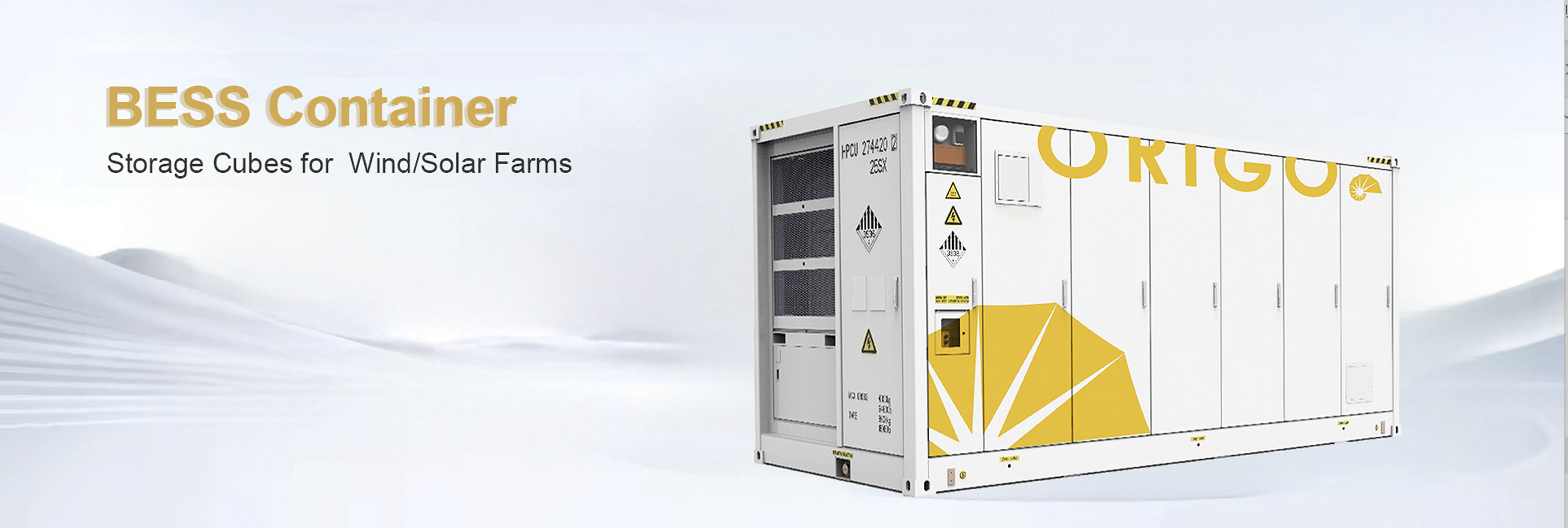
يمكن للمصانع دمج أنظمة تخزين الطاقة لإدارة تكاليفها، وضمان إمدادات طاقة مستمرة، والوفاء بمتطلبات الاستدامة. ومن بين العديد من أنظمة تخزين الطاقة، تُفضَّل بطاريات الفوسفات الحديدي الليثيومي (LFP) نظرًا لسلامتها، وطول عمر الدورة، ونطاق درجة حرارة التشغيل. ومع ذلك، هناك العديد من بطاريات LFP، ويستلزم دمج نظام تخزين الطاقة LFP الأنسب فهم الاحتياجات الفريدة للمصنع، ومواصفات المنتجات، وعروض الموردين. فيما يلي الأطر الأكثر صلةً بالمصانع.
-
ابدأ بتقييم واضح لاحتياجات الطاقة في المصنع
قبل اختيار أنظمة تخزين الطاقة LFP، من الضروري جدًا أن يقوم المصنع بتقييم أهدافه الرئيسية للطاقة. هذه هي النقطة الأهم لتحديد المواصفات التركيبية للنظام.
تحديد سيناريوهات التطبيق الأساسية: اختيار تطبيق النظام كالتالي: تقليل قمة الاستهلاك (توفير تكاليف الكهرباء خلال أوقات الذروة)، أو الطاقة الاحتياطية (لتمكين تشغيل المعدات الحرجة دون انقطاع)، أو المشاركة في محطة الطاقة الافتراضية (VPP) (لكسب إيرادات إضافية من خلال تنظيم الشبكة الكهربائية)، أو إدارة عدم التوازن في الأطوار الثلاثة (لتحسين جودة التيار الكهربائي). في كل حالة من هذه الحالات، يتطلب المنتج تصميمًا مختلفًا من حيث السعة وسرعة الاستجابة. ففي حالات الطاقة الاحتياطية، يتم تصميم الأنظمة بقدرة على التبديل السريع، في حين تتطلب عملية تقليل قمة الاستهلاك أنظمة مصممة بسعة عالية وكفاءة دورة عالية.
اشتقاق معلمات الطاقة الفريدة: تحديد قدرة النظام (كيلوواط) وقدرة تخزين الطاقة (كيلوواط ساعة) بناءً على نمط الاستخدام المسجل للطاقة. على سبيل المثال، ضع في اعتبارك مصنعًا يستخدم كهرباء بحد أقصى يومي يبلغ 500 كيلوواط، مع فرق سعر 0.15 دولار/كيلوواط ساعة بين أسعار الكهرباء في الأوقات غير الذروة وأسعارها في أوقات الذروة. سيكون من شأن نظام LFP بقدرة 200 كيلوواط / 800 كيلوواط ساعة أن يحقق وفورات كبيرة في التكاليف.
دمج التصميم لدعم النمو المستقبلي: حيث تقوم المصانع بإدماج مصادر طاقة جديدة (مثل الألواح الشمسية المركبة محليًا) وتوسيع الإنتاج، وبالتالي ينبغي بالفعل أخذ متطلبات الطاقة المتزايدة والمصادر الجديدة بعين الاعتبار عند تصميم منتجات LFP القابلة للتوسع. وهذا يسمح بترقية النظام بدلاً من استبداله بالكامل، مما يقلل التكاليف على المدى الطويل.
-
تحليل مؤشرات أداء منتجات LFP
سوف تؤثر منتجات تخزين الطاقة المختلفة من نوع LFP على الكفاءة التشغيلية وعمر الخدمة. ويجب أن تركز كل مصنع على ثلاثة مؤشرات رئيسية:
عمر الدورة ومعدل التدهور: تتمتع منتجات LFP عالية الجودة بعمر دورة يتراوح بين 3000 و6000 دورة (عند عمق تفريغ 80٪، DoD) ومعدل تدهور سنوي أقل من 2٪. على سبيل المثال، أداء منتجات LFP من الجيل الرابع (مثل تلك المقدمة من موردين ذوي خبرة) يكون مثاليًا مع مواد الأقطاب، ويتميز بعمر دورة محسن يتجاوز 5000 دورة؛ ما يعني أن بطاريات LFP ستعمل بأمان لمدة تتراوح بين 10 و15 سنة.
أداء السلامة. السلامة شرط أساسي لتخزين الطاقة في المصانع ويجب إعطاؤها الأولوية القصوى. ابحث عن المنتجات التي تحتوي على آليات حماية متعددة الطبقات، مثل الحماية من الشحن الزائد/التفريغ الزائد، وحماية من حدوث الدوائر القصيرة، ومنع الانطلاق الحراري. إن كيمياء LFP، على عكس أنواع الليثيوم-أيون الأخرى، أكثر استقرارًا حراريًا نسبيًا، ولكن نظام إدارة البطارية المتقدم (BMS) هو ما يقلل من مخاطر الحريق أو الانفجار إلى الحد الأدنى.
الكفاءة الطاقية. يجب أن تكون كفاءة النظام (LFP) في دورة الشحن والتفريغ (RTE) أعلى من 85%. وكلما زادت الكفاءة (RTE)، قلّ الفقد في الطاقة. بالنسبة لمصنع يستخدم 10,000 كيلوواط ساعة شهريًا من الطاقة المخزنة، فإن زيادة الكفاءة (RTE) من 85% إلى 90% توفر 500 كيلوواط ساعة سنويًا.
تُعد الخبرة والمعرفة الأساسية للمورد أمرًا بالغ الأهمية في تنفيذ مشروع تخزين الطاقة باستخدام تقنية (LFP). وبالتالي، من الضروري أن لا تبرم المصانع عقودًا أو شراكات مع موردين يركّزون فقط على استهلاك الطاقة أو أنظمة التخزين الصغيرة، بل ينبغي أن تبحث عن موردين أثبتوا تخصّصهم في مجالات التخزين الصناعي والتجاري (C&I).
تقييم الخبرة وتطور المنتج: ابحث عن موردين لديهم خبرة لا تقل عن عشر سنوات في مجال تخزين الطاقة للتطبيقات التجارية والصناعية (C&I). الموردون الذين طوّروا ابتكارات في مجال تخزين الطاقة منذ أواخر العقد الأول من القرن الحادي والعشرين، والذين قدموا إصدارات أو تحديثات منتجاتهم حتى الجيل الرابع، من المرجح أن يكون لديهم فهم عميق لمشاكل المصانع، والتي قد تشمل التشغيل في بيئات صناعية قاسية (درجة حرارة عالية، غبار) والتكامل المعقد مع شبكات الكهرباء الخاصة بالمصانع.
تقييم التخصيص: من حيث استهلاك الطاقة، تختلف المصانع عن بعضها البعض، ومن غير المرجح أن تكون الحلول الجاهزة أو العروض الجاهزة كافية. يمكن لأفضل الموردين تطوير حلول طاقة مخصصة شاملة، تشمل تصميم النظام، وتركيب النظام، والصيانة بعد التشغيل. ويُحتاج إلى موردين ذوي خبرة في هذا المجال، إذ إن المصنع المُحسّن بنظم LFP الهجينة التي تتضمن أنظمة مكثفات فائقة ليس عرضًا شائعًا.
تقييم دعم العملاء المقدم بعد البيع: نظرًا لأن أنظمة تخزين الطاقة من نوع LFP تتطلب صيانة دورية تتعلق بأداء البطارية (مثل تحديثات برنامج نظام إدارة البطارية BMS والفحوصات الدورية)، يجب أن تتضمن وثائق الصيانة دعمًا تقنيًا على مدار الساعة طوال أيام الأسبوع، وخدمات صيانة ميدانية، ووثائق ضمان شاملة (مثل: ضمان لمدة 5 سنوات على المنتج، وأداء مضمون لـ 2,000 دورة).
-
التحقق من التكامل مع البنية التحتية الحالية للمصنع
بغض النظر عن جودة منتج LFP، إذا لم يتماشى مع نظام الطاقة في المصنع، فإن دمجه سيكون ضعيفًا.
تأكد من التوافق الكهربائي: يجب أن تتماشى جهد منظومة LFP (تيار متردد/مستمر) والتواتر مع معايير الشبكة في المصنع. على سبيل المثال، غالبًا ما تحتوي البيئات الصناعية على أنظمة ثلاثية الطور بجهد 380 فولت، لذا فإن اختيار منتج أحادي الطور سيؤدي إلى مشكلات في الدمج.
تحقق من المساحة ومتطلبات التركيب: بالنسبة للمصانع التي تعاني من قيود في المساحة الداخلية، يمكن اختيار أنظمة LFP من النوع الخارجي (مضادة للغبار والماء) والتي يمكن تركيبها في الهواء الطلق. ويجب إعداد تصاميم تركيب لتحديد الموقع الأمثل (مع تجنب المناطق المشعة بالشمس المباشرة أو ذات الرطوبة العالية) استنادًا إلى مسوحات ميدانية.
دمجها في أنظمة إدارة الطاقة (EMS): إذا كانت المصنع يستخدم نظام إدارة الطاقة لمراقبة استهلاك الطاقة، فيجب أن يعمل نظام LFP ضمن هذا الإطار. ويتيح ذلك للمشغلين توحيد الإدارة (مثل الشحن التلقائي في أوقات انخفاض الطلب وجدولة التفريغ في أوقات الذروة).
الاستنتاج
توجد استراتيجية ومقايضات في اختيار منتجات تخزين الطاقة LFP للمصنع فيما يتعلق بتقييم التكاليف والأداء والقيمة بمرور الوقت. يمكن للمصانع اختيار نظام يقلل من نفقات الطاقة، ويعزز استقرار التيار الكهربائي، ويساهم في التنمية المستدامة، وذلك بالبدء باحتياجات طاقوية واضحة، وتقييم أداء النظام، والعمل مع موردين ذوي خبرة، والتحقق من دمج النظام والبنية التحتية. بالنسبة لهذه المصانع، فإن التعاون مع موردين موثوقين لأنظمة تخزين الطاقة LFP في قطاع الطاقة للتجارة والصناعة، يتمتعون بخبرة صناعية تمتد على مدى 16 عامًا ومنتجاتهم من الجيل الرابع، أمر بالغ الأهمية لتحقيق أقصى فوائد تقدمها أنظمة تخزين الطاقة LFP.