
 EN
EN

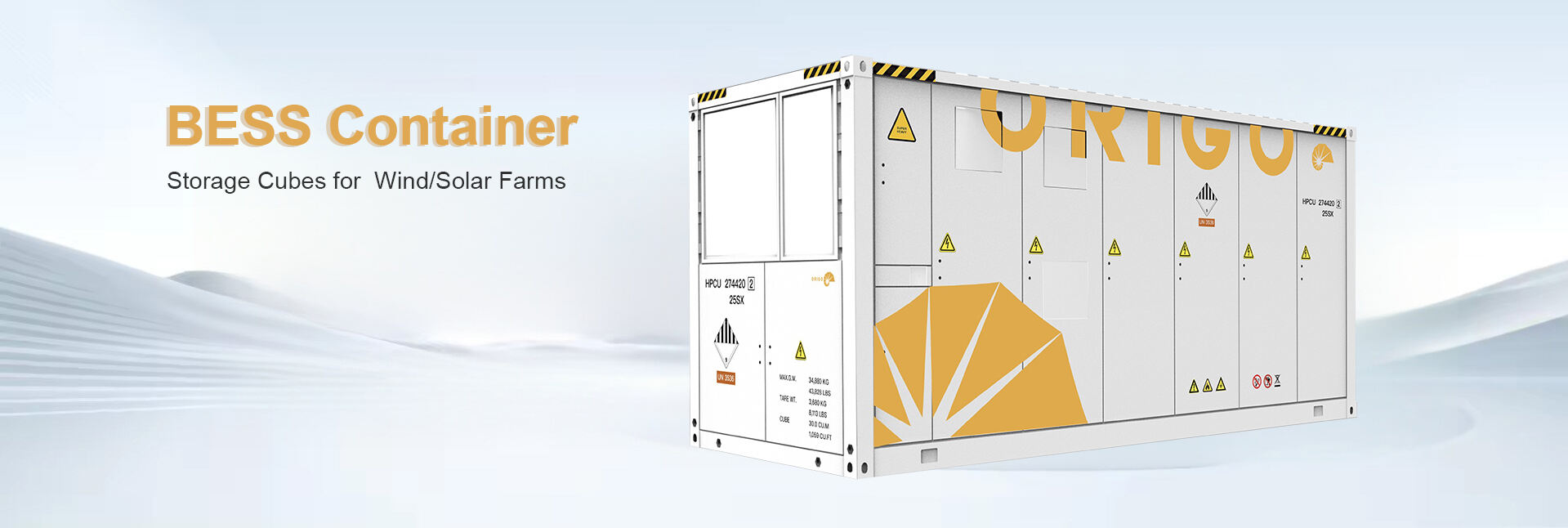
With the transformation of the world’s renewable energy systems and the increasing demand for energy storage for industrial and commercial purposes, lithium batteries have become the dominant energy storage technology for a wide range of industries. However, the rapid increase in the number of discarded lithium batteries and the potential environmental impacts of poorly managed batteries makes lithium batteries a key liability for the sustainable development of the energy storage ecosystem. This leads to the question, “Is lithium battery recycling technology a viable way to mitigate environmental impacts?” This question not only poses challenges in the field of ecological conservation, but also in the long-term strategic planning of the industrial and commercial energy storage market, where enterprises like The Origotek Co., Ltd., have operated for 16 years.
The Environmental Burden of Spent Lithium Batteries
Environmental impacts of recycling lithium batteries can only be determined after the risks posed by spent lithium batteries are understood. Discarded lithium batteries are hazardous waste containing cobalt, nickel, manganese, and organic electrolytes, all of which are harmful. Landfilling and incinerating batteries will ultimately allow heavy metals to pollute soil and groundwater, which poses risks to farmland and drinkable water. Organic electrolytes will also burn, release harmful gases, and worsen air pollution and the greenhouse effect.
The commercial and industrial sectors experience higher environmental pressures concerning waste lithium batteries. As highlighted in Origotek’s custom solutions, the commercial and industrial sectors implement large-scale lithium battery energy storage systems for peak shaving, backup power supply, and virtual power plant operations. Such large-scale systems consist of hundreds or thousands of battery cells. Therefore, large-scale systems generate considerable amounts of waste batteries that require management at the end of their life. If large-scale systems do not employ scientifically-based recycling, they will generate massive amounts of environmental pollution, easily exceeding that of discarded batteries used in small consumer electronics. Industrial and commercial energy storage systems are used for peak shaving, backup power supply, and virtual power plant operations.
How Lithium Battery Recycling Technology Mitigates Pollution
The technology for recycling lithium batteries improves the environmental impact of battery disposal and recycling. Polluting batteries are no longer the problem they used to be, and recycling creates new batteries.
To begin with, recycling technology for lithium batteries is able to recuperate the spent batteries' valuable and harmful materials. Recyclers are able to recuperate high-grade cobalt, nickel, lithium, and other metals found in the spent battery cells through physical sorting, chemical leaching and purification methodologies. This recycling approach also eliminates the risk of environmental contamination with heavy metals and mitigates the pressure of primary mineral extraction. The extraction and primary processing of minerals such as lithium and cobalt is an environmentally unsustainable practice that entails extensive land alteration, high water and energy consumption, and the generation of large volumes of waste rock, wastewater, and other residues. The negative impact of the mineral extraction industry is alleviated when recycled materials are used in place of the environmentally destructive primary minerals.
In the end, the pollution reduction effect of iterated recycling technologies is in line with the company’s operational principle of continuous product iteration. The company has upgraded to fourth generation industrial and commercial energy storage products after 16 years. The introduction of recycling techniques such as low temperature pyrolysis and green solvent extraction has meant the industry can operate with reduced energy consumption and toxic waste generation. For instance, the introduction of green solvent extraction facilitates the abandonment of highly corrosive acids in the process, thus mitigating the risk of contaminating soil and water with secondary pollutants.
More than Cutting down on Pollution: Why Recycling will have Strategic Significance to Commercial and Industrial Energy Storage
For companies such as Origotek, which seeks to offer safe and sustainable commercial and industrial energy storage solutions, the environmental benefits of lithium battery recycling technology are even more important than supporting the vision of "energy freedom" and keeping the supply chain balanced and sustainable.
On the one hand, the recycling technology opens the possibility of closed-loop industrial chain for lithium batteries. Origotek’s fourth-generation energy storage solutions are trained for several applications, including peak shaving and virtual power plants. When these products become energy storage batteries and finished products recycled material are allowed to come full circle. It cuts the company’s reliance on imported primary minerals and reduces the costs of production. This positively impacts the supply chain, eliminating disruptions caused intercontinental trade and price fluctuations on minerals. This opens the doors for Origotek to offer flexible and dependable energy solutions to clients.
Conversely, advocating for the recycling of lithium batteries is consistent with the initiatives of Origotek to "provide safer industrial and commercial energy storage products," and "promote mankind’s dream of energy freedom." In light of carbon neutrality, business focus is being shifted to the social and corporate governance of sustainable development. Within the scope of designed solutions, integrating recycling enables customers to reduce the carbon footprint of their energy storage systems, thereby increasing the disposal value of the designed solutions and earning the trust of clientele who come from diverse cultural backgrounds.
Conclusions
Undoubtedly, the recycling of lithium batteries will reduce pollution. It eliminates the environmental impact caused by spent lithium batteries and generates a balance of positive economic and strategic benefits to the industrial commercial energy storage market. For Origotek, with its 16 years of expertise in the industrial commercial energy storage sector, the promotion and advocacy of lithium battery recycling technology is a response to environmental stewardship and advocacy to industrial energy storage positive sustainable development. Recycling technology efficiencies, coupled with industry self-regulation, will refine industrial commercial energy storage to address the industry’s responsibility of greater share energy accessibility in the era of energy transition.