
 EN
EN

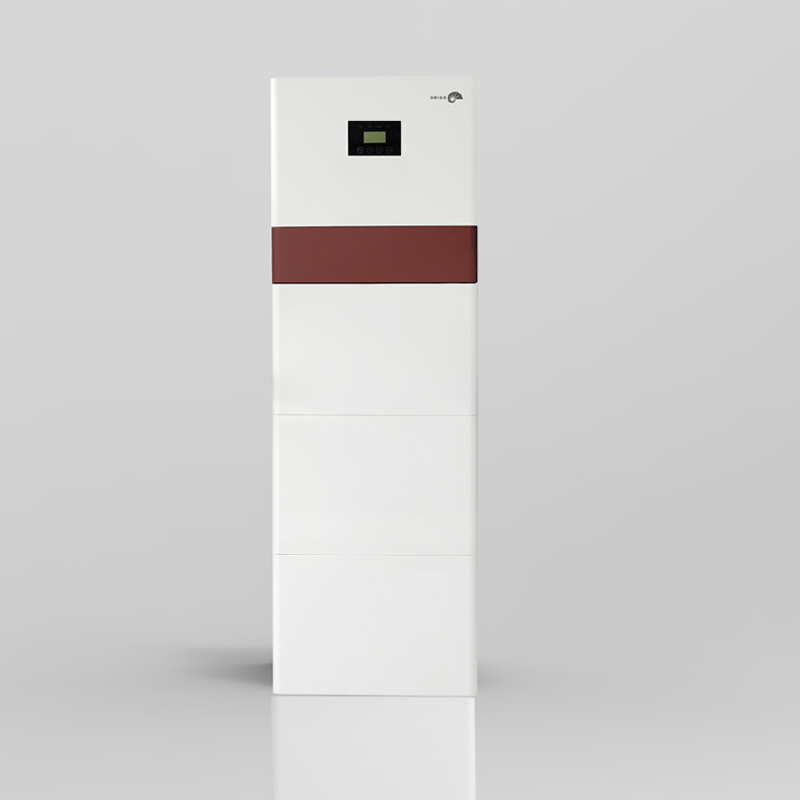
The Peak Shaving Challenge in Commercial and Industrial Facilities
Why Demand Peaks Drive Up C&I Electricity Costs
Commercial and Industrial (C&I) facilities face disproportionate electricity expenses due to demand charges—fees based on their highest 15- to 30-minute power draw each month. These charges can constitute 30–70% of total electricity bills, as utilities penalize short-duration spikes that strain aging grid infrastructure. Even modest overall energy use becomes costly when operations—like simultaneous HVAC startup, heavy machinery cycling, or lighting surges—create brief but intense demand windows. Critically, U.S. demand charges have risen 12–17% annually since 2020 (EIA Demand Charge Trends), placing mounting pressure on manufacturers, warehouses, and data centers already operating on tight margins.
The Role of Commercial and Industrial Energy Storage in Load Flattening
Commercial and industrial energy storage systems counteract peak demand by discharging stored power precisely when facility load threatens to exceed its historical peak threshold. This “load flattening” strategy prevents excessive grid draw during operational surges—effectively capping the 15-minute demand interval that defines monthly charges. Modern systems autonomously detect consumption patterns and deploy battery output within milliseconds, reducing peak demand by 20–40%. For example, offsetting 500 kW during a high-demand window at $16/kW saves approximately $8,000 per month. As utility rate structures grow more complex—layering TOU tiers, critical peak pricing, and demand response penalties—storage’s dual capacity to flatten loads and enable price arbitrage makes it a cornerstone of resilient, cost-optimized energy management.
Key Implementation Notes
- Demand Charge Dynamics: Tiered pricing amplifies costs during utility-defined peak periods (e.g., 2 PM–6 PM weekdays).
- Storage Threshold: Systems sized to cover 80–90% of historical peaks optimize ROI without overinvestment.
- Software Integration: AI-driven platforms predict spikes using facility data and weather forecasts, preemptively deploying storage.
How Commercial and Industrial Energy Storage Reduces Demand Charges and TOU Costs
Demand Charge Escalation: 12–17% Annual Increases Across Key U.S. Markets
Demand charges now represent 30–70% of commercial and industrial electricity bills—and have increased 12–17% annually across major U.S. markets since 2020. These fees are tied not to total energy consumed, but to the highest instantaneous power draw, making them especially punitive for facilities with cyclical or batch-driven operations. Rising costs reflect grid modernization investments, renewable integration challenges, and shifting cost allocation toward high-demand users. Left unaddressed, this trend compounds financial pressure year after year.
Dual-Strategy Dispatch: Simultaneous TOU Arbitrage and Demand Charge Avoidance
Advanced energy management systems allow C&I energy storage to execute two value streams in parallel: avoiding demand charges and capturing time-of-use (TOU) arbitrage. During peak-rate hours, batteries discharge to displace grid power—capping the 15-minute demand window while also sidestepping premium kWh rates. Meanwhile, they recharge during off-peak or shoulder periods, leveraging wholesale price spreads of $20–$40/MWh. This coordinated dispatch achieves:
- Peak shaving, reducing demand charges by 30–50%
-
Energy arbitrage, turning storage into a dynamic, revenue-responsive asset
The result is a flattened, more predictable load profile that simultaneously mitigates risk and unlocks recurring savings across both demand- and energy-based components of the bill.
ROI, Payback, and Real-World Economics of Commercial and Industrial Energy Storage for Peak Shaving
Median Payback Periods and Utility Incentive Dependencies
Median payback periods for C&I energy storage deployed for peak shaving range from 4 to 7 years—driven primarily by local demand charge severity ($15–$25/kW), TOU rate differentials ($0.18–$0.35/kWh), and available utility or state incentives. Participation in demand response programs can accelerate payback by 1–2 years through capacity payments, while federal tax credits (e.g., the 30% ITC under the Inflation Reduction Act) further improve project economics. Importantly, returns are most robust where tariff structures explicitly reward load reduction—not just where electricity prices are high.
Validation Case: 2.5 MW/5 MWh System Cuts Peak Demand by 38% at Midwest Food Processing Plant
A Midwest food processing facility installed a 2.5 MW/5 MWh lithium-ion battery system to address $340,000 in annual demand charges. Over 18 months of operation, the system reduced peak grid draw by 38% by discharging algorithmically during critical 2–3 hour daily windows—primarily aligned with production shifts and afternoon HVAC ramp-up. This delivered $740,000 in cumulative savings (Ponemon 2023), achieving full ROI in 4.2 years. Beyond economics, the system provided 270 hours of seamless backup power during grid interruptions—validating storage’s dual role in cost control and operational resilience, all without requiring changes to existing equipment or workflows.
FAQ
What are demand charges, and why do they matter for C&I facilities?
Demand charges are fees based on the highest 15- to 30-minute power draw a facility experiences each month. For C&I facilities, these charges can contribute to 30–70% of their electricity bills, significantly affecting operational costs.
How does energy storage help reduce demand charges?
Energy storage systems discharge power during periods of high demand, effectively capping the facility’s highest power draw. This process, known as load flattening, reduces the 15-minute intervals that define demand charges and can reduce them by up to 40%.
What is time-of-use (TOU) arbitrage?
TOU arbitrage involves using stored energy to offset electricity consumption during peak-rate hours and recharging the system during off-peak hours when rates are lower, leveraging the price differential to reduce costs further.
What is the typical payback period for energy storage systems?
The median payback period ranges from 4 to 7 years, depending on variables like the severity of demand charges, TOU rate differentials, and available incentives.
Are there any real-world examples of energy storage benefits?
Yes, a Midwest food processing facility installed a 2.5 MW/5 MWh system, reducing annual demand charges by 38% and achieving an ROI in 4.2 years while providing backup power during grid outages.