
 EN
EN

Solving Renewable Intermittency with Grid Energy Storage
The Core Challenge: Matching Variable Wind and Solar Output to Constant Demand
The problem with wind and solar power is they depend heavily on weather conditions and daylight hours, which leads to all sorts of supply inconsistencies. Meanwhile, people keep using electricity at predictable times throughout the day, so there's always pressure for steady power output. When there's too much renewable energy available but not enough demand, grid managers have no choice but to shut down some of these sources, effectively throwing away clean energy that could otherwise be used. On the flip side, whenever demand spikes but renewables aren't producing enough, we end up turning back to old coal and gas plants just to keep things running smoothly, which obviously adds to pollution levels. According to recent research from the International Energy Agency, once renewable sources make up more than 30% of total energy production in a region, problems start piling up fast unless there are good ways to store or manage this variability. These kinds of mismatches between supply and demand put extra stress on our electrical systems and ultimately slow down efforts to reduce carbon emissions across the board.
How Grid Energy Storage Bridges Time Gaps–Charging When Excess, Discharging When Needed
Energy storage for grids tackles the problem of intermittent power generation by shifting electricity around smartly. When there's too much sun during the day or strong winds at night, these systems soak up the extra energy and release it when people need it most. Take midday solar production as an example. The excess gets stored in batteries which then kick in during those evening rush hour moments when everyone turns on their lights and appliances. This basically replaces those old gas-fired plants that only run when demand suddenly jumps. What makes this so valuable is how it turns unpredictable renewable sources into something reliable that can be controlled as needed, plus it helps maintain grid stability through things like frequency control. Most systems today rely on pumped hydro storage for daily needs alongside lithium ion batteries. For longer term storage across seasons, green hydrogen technology shows promise. The impact? Studies suggest that properly implemented storage solutions can boost how much renewable energy actually gets used in areas where clean power dominates the mix, sometimes reaching about 40% improvements without making the whole system unstable.
Key Grid Energy Storage Technologies and Their Roles
Pumped Hydro Storage: The Established Backbone of Long-Duration Grid Energy Storage
Pumped hydro storage, or PHS as it's commonly called, is still king when it comes to grid energy storage solutions, making up around 90% of all installed capacity worldwide. The basic idea is pretty straightforward actually - water gets pumped uphill into reservoirs when electricity demand is low or there's an abundance of renewable power available. Then later, when demand spikes, that stored water flows back down through turbines to generate electricity again. What makes this approach so attractive is its scalability and the fact that it can store energy for anywhere between six to twenty hours or more. That kind of flexibility works really well for smoothing out the ups and downs of solar and wind power generation throughout the day and week. Efficiency rates have improved quite a bit too, with modern systems hitting between 70% and 85% round trip efficiency. Some installations even reach into the multiple gigawatt-hour range. While geographical constraints do pose challenges for widespread deployment, creative approaches like converting old mine sites and repurposing existing dams without power generation capabilities are opening up new possibilities for expanding this proven technology.
Battery Energy Storage Systems (BESS) and Green Hydrogen: Enabling Short-Term Flexibility and Seasonal Shifting
Battery energy storage systems (BESS) and green hydrogen address complementary grid-scale needs:
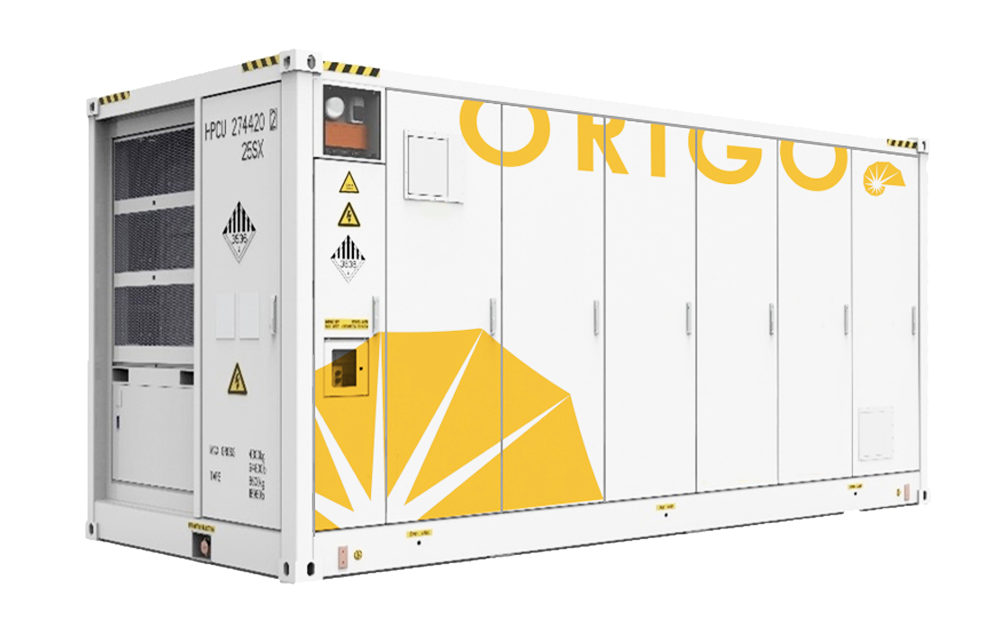
- BESS (primarily lithium-ion) provide sub-second response for frequency regulation and solar smoothing, with 4–8 hour discharge durations. Their modularity supports deployment at substations or co-location with renewables.
- Green hydrogen, produced via electrolysis using surplus renewables, enables long-term storage—weeks or months—in salt caverns or tanks. It serves as carbon-free fuel for turbines or fuel cells during seasonal lulls in wind and solar output.
| Technology | Discharge Duration | Key Functions | Efficiency |
|---|---|---|---|
| BESS | Minutes to 8 hours | Frequency regulation, solar smoothing | 85–95% |
| Green Hydrogen | Weeks to months | Seasonal shifting, fuel substitution | 40–60% (round-trip) |
Together, they enable comprehensive integration—BESS managing second-to-hour fluctuations, green hydrogen solving weather- and season-driven gaps.
Grid Energy Storage as a Multi-Function Grid Asset
Providing Real-Time Services: Frequency Regulation, Inertia Emulation, and Voltage Support
Energy storage systems play a vital role in keeping the grid stable in ways that old fashioned infrastructure simply can't match. When there's a sudden drop in frequency, these systems kick in almost instantly, either putting power back into the system or soaking up extra electricity during surges before things spiral out of control. Modern inverters have gotten pretty smart too, mimicking the kind of inertia that used to come from spinning generators at coal and gas plants that are disappearing from our energy mix. Storage also helps with voltage management across the network. It adjusts reactive power at key points throughout the grid, keeping voltages within acceptable ranges even when loads spike or equipment fails. This becomes especially important in grids packed with wind and solar resources since those clean sources don't provide the same kind of automatic stability we relied on from fossil fuel plants in the past.
Enabling Market Participation: Arbitrage, Capacity Firming, and Ancillary Services
Grid energy storage does much more than just technical stuff these days. It actually opens up all sorts of different ways to make money. When electricity prices drop below about $20 per megawatt hour, smart operators store power, then sell it back when prices spike above $100. Some companies sign contracts called capacity firming agreements which basically promise steady power output for wind farms and solar plants. These agreements let storage systems act as backup when the sun isn't shining or wind isn't blowing, helping meet those tough 99 percent delivery targets most renewables struggle with. There's also money to be made in what's known as ancillary services markets. Storage facilities can earn anywhere from around $50 to maybe $150 per megawatt each day just by helping keep the grid stable through things like frequency regulation. All these different revenue sources mean energy storage isn't just another expense anymore. Instead, it becomes something valuable that actually improves how well the whole power system works economically speaking.
Real-World Impact: Case Evidence of Grid Energy Storage Success
Hornsdale Power Reserve: Delivering Stability and Savings on South Australia's High-Renewables Grid
Hornsdale Power Reserve stands out as the world's first large scale lithium ion battery installation, showing what grid energy storage can actually do for places relying heavily on renewable sources. Located right in the heart of South Australia's wind powered electricity network, where green energy often makes up over half of all power generated, this system reacts almost instantly to balance fluctuations in supply and demand. The response time is under 100 milliseconds, which means it stops potential blackouts when there's a sudden mismatch between what's being produced and consumed. When there's too much wind power coming online, the facility stores that extra energy and then releases it back into the grid during those late afternoon peak hours. This alone saved around $116 million worth of energy expenses within just the first couple of years after going live. During severe storms or heatwaves, the reserve kicks in with emergency power support, making the whole grid much more robust against disruptions. What happened down under has inspired copycat projects across different continents, including spots like California and Germany. These installations prove that even with lots of solar and wind feeding into our electrical networks, we can still maintain stable service while cutting costs and reducing environmental impact at the same time.
FAQs
What is renewable intermittency?
Renewable intermittency refers to the fluctuation in power output from renewable energy sources like wind and solar due to factors like weather conditions and time of day, which can lead to inconsistencies in energy supply.
How does grid energy storage help in managing renewable energy variability?
Grid energy storage helps manage renewable energy variability by storing excess energy when production is high and releasing it when demand exceeds supply, thus ensuring a more stable energy grid.
What are the main types of grid energy storage technologies mentioned in the article?
The article mentions technologies like pumped hydro storage (PHS), battery energy storage systems (BESS), and green hydrogen as key solutions for addressing grid energy storage needs.
How does Hornsdale Power Reserve contribute to grid stability?
Hornsdale Power Reserve contributes to grid stability by quickly responding to fluctuations in supply and demand, storing excess renewable energy, and providing emergency power support during critical times.