
 EN
EN

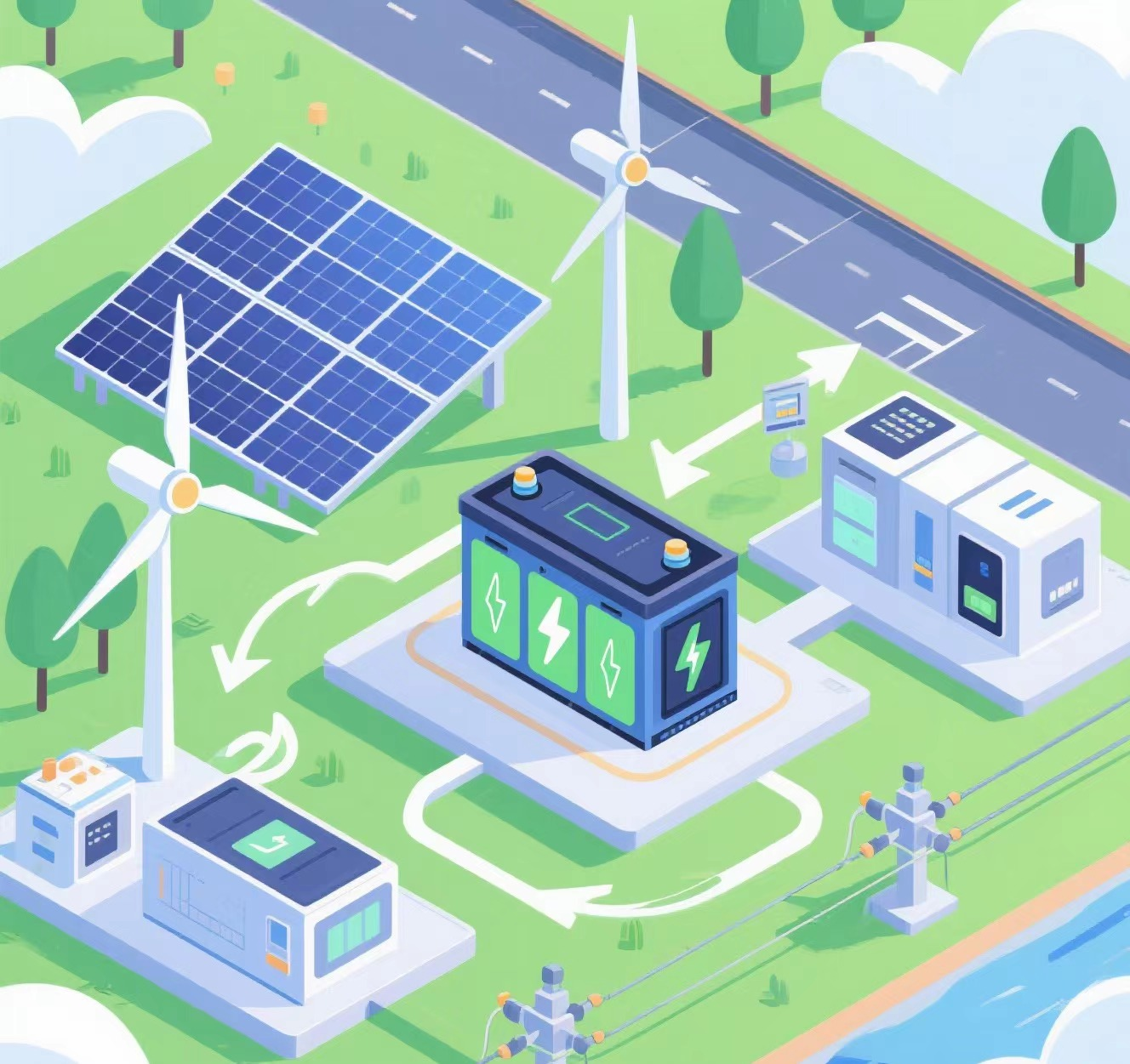
Intelligent Battery Management System: The Core of Battery Energy Storage System Reliability
An intelligent Battery Management System (BMS) governs every critical operational parameter—ensuring safety, longevity, and peak performance. Its precision monitoring and control capabilities form the bedrock of dependable energy storage infrastructure.
Cell Balancing, State Estimation, and Fault Detection for Long-Term Stability
Active cell balancing mitigates voltage drift across battery packs, preventing accelerated degradation. By continuously tracking state-of-charge (SOC) and state-of-health (SOH), the BMS maintains operational integrity. Advanced algorithms detect anomalies like internal shorts or insulation failures before they escalate—reducing failure rates by up to 70% compared to unmonitored systems.
Low-Latency Response and Cybersecurity Hardening in Critical Infrastructure
Sub-10ms response times enable rapid isolation of thermal runaway or grid faults, preventing cascading failures. Critical infrastructure deployments further demand multi-layered encryption (e.g., AES-256), secure boot protocols to prevent firmware tampering, and continuous intrusion detection—hardening systems against cyber-physical threats while sustaining grid-forming capabilities during blackouts.
Thermal Resilience and Chemistry Selection for Sustained Battery Energy Storage System Performance
Active vs. Passive Cooling Trade-offs: Cycle Life, Safety, and Deployment Context
How well a battery energy storage system lasts and stays safe depends heavily on managing heat effectively. Passive cooling methods like heat sinks work fine when costs matter most and conditions aren't too harsh, though they can struggle keeping things cool enough during peak usage times. Active cooling options such as liquid or forced air systems do a much better job controlling temperatures in tough environments, sometimes doubling how long batteries last before needing replacement. There's always a balancing act between safety and convenience though. Passive systems might let temperatures climb above 45 degrees Celsius which speeds up wear and tear over time. Active cooling prevents dangerous overheating situations but comes with extra maintenance headaches. What works best really depends on where these systems end up being used. For basic grid backup applications in milder climates, passive cooling often gets the job done just fine. But out in desert areas where solar farms operate under intense sun exposure all day long, companies need to invest in active thermal management solutions to prevent annual capacity losses that could hit around 15% if left unchecked.
Why LFP Dominates Reliability-Critical Battery Energy Storage System Applications
The lithium iron phosphate (LFP) chemistry stands out as a core component in reliable battery storage solutions because it handles heat remarkably well. When compared to nickel based options, LFP materials can withstand breakdown even when temperatures reach around 270 degrees Celsius, which means much less chance of catching fire. What's interesting about LFP batteries is their relatively flat voltage profile that actually reduces wear and tear during partial charge cycles. These batteries maintain about 85 percent of their original capacity after going through roughly 6,000 charge cycles, according to tests conducted by the International Energy Agency, where they beat NMC batteries by something like 1,200 extra cycles. While LFP does pack about 20 percent less energy per unit volume than NCA technology, it works reliably from minus 20 to plus 60 degrees Celsius without needing expensive additional heating or cooling systems for large scale installations. Because of this mix of reliability and low maintenance requirements, many critical facilities like hospitals and data centers have started adopting LFP technology as their go to solution for power backup needs.
Physical Protection and Environmental Hardening for Real-World Battery Energy Storage System Deployment
Robust physical protection is non-negotiable for energy storage systems operating in harsh environments. Without proper hardening, dust, moisture, and temperature extremes degrade components and accelerate failure. Climate-adaptive design principles ensure consistent performance across diverse operational landscapes.
IP65+ Enclosures and Climate-Adaptive Design Across Operational Environments
Enclosures with IP65 ratings offer good protection against dust getting inside and water spraying onto them. For equipment near the coast, special coatings help fight rust problems. When setting things up in deserts, heat reflective surfaces become necessary. And in Arctic regions, manufacturers turn to materials that stay flexible even at temperatures down around minus 40 degrees Celsius. These design choices matter because they stop seals from wearing out too fast in tropical humidity, avoid short circuits caused by condensation when temperatures change, and reduce wear on structures subjected to constant expansion and contraction cycles. Field tests show these modifications can actually double or triple the lifespan of equipment operating under harsh conditions. Labs have confirmed this with extensive testing including over 500 hours of salt spray exposure and UV light simulation.
Early Off-Gassing and Thermal Anomaly Detection via Multi-Sensor Fusion
Advanced sensor systems track chemical changes inside batteries long before they start to overheat. These setups typically combine gas analysis that can spot leaking electrolytes down to parts per million levels, along with temperature monitors sensitive enough to catch half degree shifts. When all these different signals pressure readings, volatile organic compounds, and heat distribution get combined, the system becomes much smarter about what's really happening. This multi-layered monitoring cuts down on false warnings by around three quarters compared to older single sensor approaches. What makes it truly valuable is that it kicks off cooling measures well ahead of dangerous temperature spikes, giving technicians time to intervene. The result? Facilities report seeing fire risks drop dramatically, sometimes as much as ninety percent in real world applications according to industry reports.
Grid-Forming Inverter Capabilities That Elevate Battery Energy Storage System System-Level Reliability
Grid forming inverters turn battery storage systems into actual stabilizers for the electrical grid because they create their own voltage and frequency references without needing outside signals. Traditional inverters just follow whatever comes from the grid, but these newer models can actually generate their own waveform patterns. This gives them something called black start capability, which means they can restart the grid after a total blackout without depending on other parts of the system. They also help stabilize weak sections of the grid on their own. These inverters work through several mechanisms including virtual inertia that mimics the behavior of spinning generators, injecting reactive power when needed, and dampening unwanted oscillations in the system. All this helps keep power quality consistent even when wind turbines stop spinning or solar panels aren't producing electricity as expected. The result is fewer chances of those big chain reactions where one small problem leads to widespread outages across areas with lots of renewable energy sources. Plus, manufacturers have built strong security features into these systems so they keep running smoothly even if someone tries to hack into them during emergencies.
FAQ
What is the role of cell balancing in a Battery Management System?
Cell balancing minimizes voltage discrepancies among battery cells, thus preventing uneven wear and thermal instability, while enhancing overall battery lifespan.
Why is cybersecurity important for battery management systems in critical infrastructure?
Cybersecurity protects battery management systems from potential cyber-physical attacks, ensuring their safe and uninterrupted operation within critical infrastructures.
What cooling methods are used in battery energy storage systems?
Both active cooling (e.g., liquid or forced air systems) and passive cooling (e.g., heat sinks) methods are used to maintain optimal battery temperatures based on the deployment environment.
Why is LFP a preferred choice in reliability-critical applications?
LFP chemistry provides thermal stability, enhanced safety, long cycle life, and consistent performance across a wide temperature range, making it ideal for reliability-critical applications.
Table of Contents
- Intelligent Battery Management System: The Core of Battery Energy Storage System Reliability
- Thermal Resilience and Chemistry Selection for Sustained Battery Energy Storage System Performance
- Physical Protection and Environmental Hardening for Real-World Battery Energy Storage System Deployment
- Grid-Forming Inverter Capabilities That Elevate Battery Energy Storage System System-Level Reliability