
 EN
EN

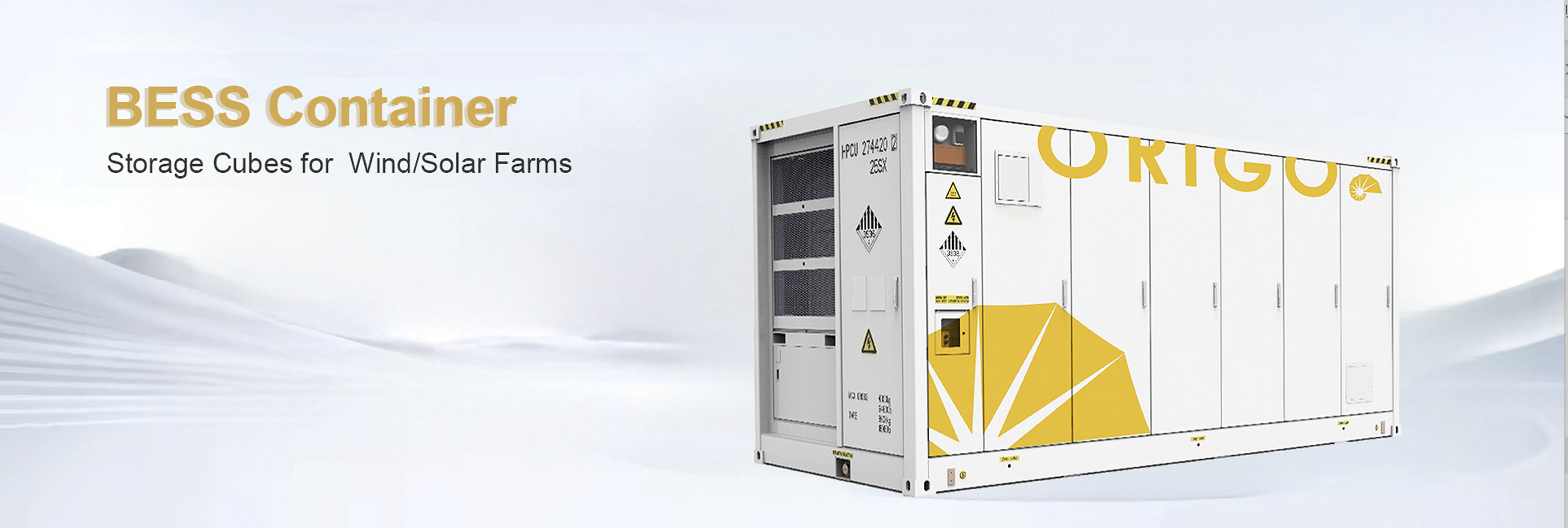
Unmatched Safety and Thermal Stability for Commercial Environments
Inherent Chemistry Advantages: How LFP's Olivine Structure Prevents Thermal Runaway
LFP battery systems work because of their special olivine crystal structure, which makes them naturally resistant to getting too hot and catching fire. The bonds between phosphate and oxygen in these batteries need really high temperatures, over 500 degrees Celsius, before they start breaking down. This means there's almost no chance of oxygen being released during normal operation, so those dangerous chain reactions that cause fires just don't happen. For places where people gather like office buildings or shopping centers, this is a huge plus since it eliminates most of the safety concerns associated with traditional batteries. Independent tests have shown that LFP batteries stay stable even when exposed to ambient temperatures around 45 degrees Celsius. Compared to other battery types on the market today, LFP can handle twice as much heat before showing any signs of stress, making them a safer choice for many commercial applications.
Real-World Validation: Performance Under Continuous Load in Retail, Data Center, and Manufacturing Settings
Commercial deployments validate LFP's operational resilience across high-demand environments:
- Retail: 24/7 refrigeration loads at 12 superstores showed <2°C temperature variance during peak demand
- Data centers: Continuous 95% depth-of-discharge cycles demonstrated <0.5% capacity degradation quarterly
-
Manufacturing: Voltage stability remained within 1% tolerance during 8-hour production surges across 37 U.S. facilities (2022–2024)
These results prove LFP sustains performance without active cooling redundancies—reducing thermal management costs by 18% versus traditional systems.
Long-Term Cost-Effectiveness of LFP Energy Storage in Commercial BESS
Total cost of ownership advantage: 10,000+ cycles vs. NMC's 3,000–5,000
LFP batteries can handle well over 10,000 complete charge and discharge cycles when used in battery energy storage systems. That's roughly double what we see from nickel manganese cobalt (NMC) batteries which usually last between 3,000 to 5,000 cycles. The longer life means facilities need to replace these batteries much less often - around half to three quarters fewer replacements during a standard 15 year commercial installation period. What makes LFP really stand out though is how little maintenance they require thanks to their stable thermal characteristics. When factoring all this together, total ownership expenses for LFP systems end up being about 30% to 40% lower than those using NMC technology. For industrial sites looking at their bottom line over time, these cost savings make LFP an attractive option despite potentially higher upfront investment costs.
Field evidence: 37 U.S. grid-interactive commercial buildings (2022–2024) show <0.5% annual capacity loss
A study looking at 37 different commercial sites connected to the power grid, including factories and big data centers, found that lithium iron phosphate batteries degraded at less than half a percent per year between 2022 and 2024. That means these systems kept around 95% of their original capacity even after being used every day for ten years straight. The steady flow of energy through these systems makes them great for cutting down on electricity peaks and managing those expensive demand charges too, all while maintaining their performance levels. The savings stay consistent over time since there isn't much drop off in how well they work during their whole lifespan.
Proven LFP Energy Storage Performance Across Core Commercial Use Cases
LFP energy storage delivers measurable operational advantages in two critical commercial functions: peak demand management and backup power reliability.
Peak shaving: 23% average demand charge reduction across 12 retail campuses
By strategically discharging during high-cost periods, LFP systems cut peak demand charges—a major expense for commercial facilities. Retail campuses using this approach achieved a 23% average reduction in demand charges over 12 months. This directly lowers operational costs while easing grid strain during critical usage windows.
Critical backup power: >99.98% uptime in 18-month hospital microgrid deployment
When grid failure threatens operations, LFP's instant response capability ensures continuity. An 18-month hospital microgrid deployment demonstrated >99.98% uptime during outages, safeguarding life-critical equipment. This reliability stems from LFP's flat discharge voltage curve and low-maintenance design—key for environments where power interruptions carry severe consequences.
Scalability and Integration Advantages for Commercial Facilities
LFP energy storage systems offer great flexibility for businesses because of their modular design. Companies can begin with whatever power they need right now and just keep adding more units as things grow. No need to tear everything apart and rebuild from scratch when demand changes. The standardized connections make it much easier to hook these systems up with whatever else is already in place, whether that's the building control system, solar panels on the roof, or those backup generators sitting around. Installation becomes way simpler than with other options, maybe saving about 35-40% in setup time according to some industry reports. These compact designs are especially helpful in tight spaces where room is at a premium, think about those busy city stores or factories packed to the walls. Every bit of floor space matters for profits after all. What makes this stuff really valuable is how adaptable it stays over time. Businesses don't have to worry about throwing out perfectly good equipment just because their needs changed slightly down the road.
FAQ
What is the olivine structure of LFP batteries?
The olivine structure refers to the crystal makeup of Lithium Iron Phosphate (LFP) batteries, which enhances their thermal stability by preventing thermal runaway events.
How do LFP batteries benefit retail and data centers?
LFP batteries provide significant benefits in high-demand environments like retail and data centers by ensuring operational resilience, reducing thermal management costs, and minimizing capacity degradation.
Why are LFP batteries considered cost-effective?
LFP batteries offer a longer life cycle of over 10,000 charges, reducing replacement frequency and maintenance needs, which translate into lower total ownership costs—from 30% to 40% less compared to NMC technology.
What is peak shaving, and how does LFP help?
Peak shaving involves discharging stored energy during high-cost periods to reduce peak demand charges. LFP systems achieve an average 23% reduction in demand charges, thereby lowering operational costs.
How does LFP ensure critical backup power reliability?
LFP batteries provide instant response capability during grid failures, ensuring over 99.98% uptime as demonstrated in hospital microgrid deployments. Their stable discharge voltage curve enhances reliability.