
 EN
EN
The 215 kWh Threshold: Aligning Capacity with Industrial Load Profiles
Matching 215 kWh to Typical Mid-Scale Industrial Peak Demand + 2â4 Hour Backup Needs
Mid-scale industrial facilities typically operate with peak power demands between 50 kW and 200 kW. A 215 kWh energy storage system delivers 2â4 hours of full-load backupâprecisely matching the duration needed for controlled shutdowns, tariff-optimized demand reduction, and recovery from most common grid disruptions.
Take a facility running at 100 kW peak load as an example. Such a setup can keep essential operations going for about two hours and fifteen minutes when operating at maximum output. That gives enough time to shut down production properly, protect the equipment from damage, and sidestep those expensive restart procedures we all want to avoid. Proper sizing like this saves money on unnecessary costs and wasted space that comes with overbuilding systems just because someone thinks bigger is better. What's more important is getting reliable performance exactly where needed. Good thermal control combined with a modular design makes these systems work well even in tight spaces or older facilities undergoing upgrades.
How 215 kWh Bridges the Gap Between Small-Scale C&I and Utility-Scale Storage
The 215 kWh capacity occupies a strategic middle ground in industrial energy storage:
| System Type | Typical Capacity | Primary Use Cases |
|---|---|---|
| Small-Scale C&I | < 100 kWh | Basic peak shaving, <1hr backup |
| Mid-Scale Industrial | 200â400 kWh | Extended backup, demand management |
| Utility-Scale | 1 MWh+ | Grid stabilization, bulk arbitrage |
The way these 215 kWh systems are set up gives them some serious advantages over smaller ones. They actually cost less per kilowatt hour compared to anything under 100 kWh, which makes them much more financially attractive. Plus they offer something smaller systems just can't match – the ability to provide backup power for several hours straight. And best of all, businesses can scale their energy storage needs without dealing with all the headaches that come with utility-scale engineering projects. These systems handle continuous loads between 150 and 200 kW, so when there's an outage, production doesn't grind to a halt. What's more, companies can optimize their daily electricity charges by using these standardized, ready-to-go designs instead of going through the hassle of custom installations from utilities.
Deploying 215 kWh Systems: Engineering Considerations for Industrial Sites
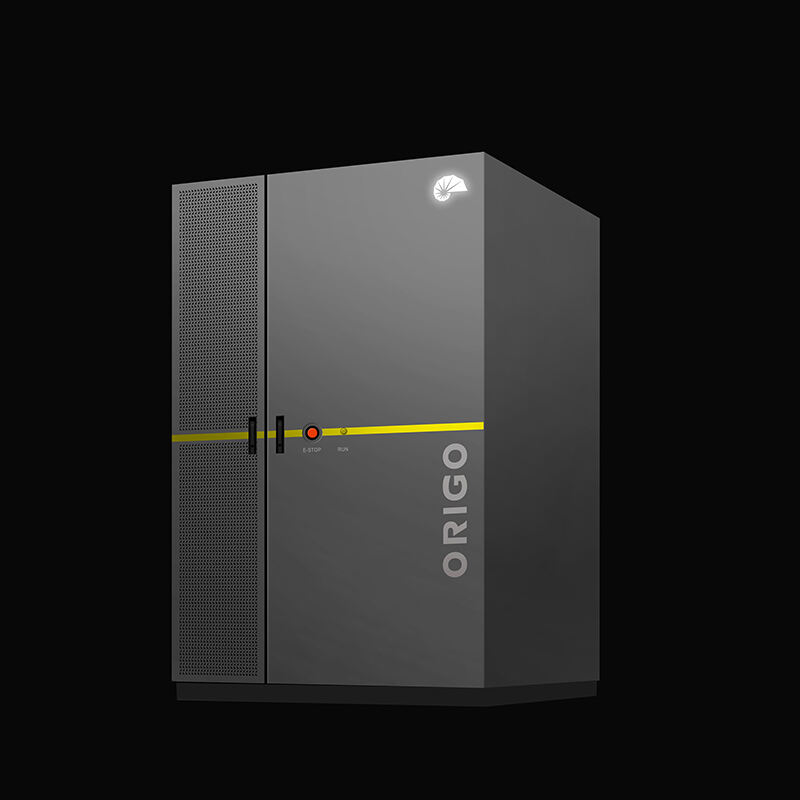
Thermal Management, Footprint, and Integration: Containerized vs. Rack-Mounted 215 kWh Solutions
Keeping things cool matters a lot when it comes to batteries. Let heat get out of control and battery life drops between 18 to 25 percent according to NREL research from last year. The big container type systems with their built in heating ventilation and air conditioning work great outside since they're weather resistant too. But these containers take up way more space than other options, needing somewhere between 40 and 60 percent extra room compared to rack mounted versions. Rack mounted setups are actually pretty neat because they fit into existing buildings so well thanks to vertical stacking capabilities. Just need to make sure the building itself has good cooling systems already in place though. There's definitely some give and take here worth considering.
- Heat island mitigation: Clustered deployments need 3â5 meters of separation between units
- Space optimization: Rack systems save ~15 m² floor area but require structural reinforcement
- Deployment speed: Pre-certified containerized units install 30% faster
Compliance Essentials: UL 9540A, IEEE 1547, and Grid Interconnection for 215 kWh Installations
For any system around the 215 kWh mark, UL 9540A isn't something companies can skip over it's required by law. This standard helps contain fires, manage those dangerous thermal runaways, and put proper safety checks in place. Then there's IEEE 1547-2020 which deals with how equipment connects to the grid. The rules here demand voltage stays within about plus or minus 5%, plus they need certified protection against islanding issues. Operators working on these projects face several other challenges too. They have to run interconnection studies especially when dealing with fault currents above 10 kA. Cybersecurity becomes important here as well, following NERC CIP guidelines for anyone monitoring remotely. Getting everything approved through utilities takes time usually between two and three months for those interconnection agreements. Companies that document thoroughly from day one tend to save four to six weeks during commissioning and generally end up with safer operations down the road.
Economic Case for 215 kWh: ROI, Payback, and Total Cost of Ownership
CapEx Trends: $385â$440/kWh Makes 215 kWh Systems Financially Viable for Tier-1 Suppliers and Manufacturers
The drop in lithium-ion prices along with better power conversion tech has made those 215 kWh systems financially viable for many mid-sized industrial operations. We're looking at around $385 to $440 per kilowatt hour now, which means companies can expect their investment to pay off within three to five years. This is particularly true for top-tier suppliers who use standard system setups rather than custom designs, saving them roughly 15 to 20 percent on engineering expenses. For manufacturers, the real money comes from cutting down on demand charges. These are those monthly fees between $15 and $25 per kilowatt that often make up half of a business's electric bill. What makes the 215 kWh size so effective? It fits right into what most facilities need when there's a power outage lasting two to four hours. The system gets used enough to justify the cost but isn't oversized like some installations where companies end up paying for storage they never actually utilize.
Real-World TCO Analysis: Energy Arbitrage, Demand Charge Reduction, and Incentive Capture with 215 kWh
Total cost of ownership reflects layered value beyond backup:
| Revenue Stream | Impact Range | Implementation Mechanism |
|---|---|---|
| Demand charge reduction | $18kâ$42k annually | Peak shaving during grid events |
| Energy arbitrage | 8â12% margin | Off-peak charging/on-peak discharge |
| Incentive capture | 22â30% cost offset | ITC, SGIP, and local rebates |
Energy arbitrage works by taking advantage of those price differences between peak and off-peak hours, but what really makes a dent in costs is cutting down on demand charges. Throw in some federal tax credits through the ITC program plus local incentives such as California's Self Generation Incentive Program (SGIP), and suddenly those systems start paying for themselves much faster than expected sometimes within just three or four years. Most installers go for around 215 kWh capacity because that happens to fit right into what qualifies for various rebates throughout different regions. Going bigger than needed doesn't make sense financially speaking since there's no extra benefit from having more storage than what actually saves money on bills.
FAQ
-
What is the significance of a 215 kWh energy storage system?
It provides a strategic capacity that fits mid-scale industrial needs for peak demand reduction and backup during grid disruptions, serving as a middle ground between smaller commercial and utility-scale systems.
-
How does a 215 kWh system benefit industrial operations financially?
By reducing demand charges and taking advantage of energy arbitrage and incentives, these systems offer cost-effective solutions with ROI expected within three to five years.
-
What factors should be considered for 215 kWh installations?
Key considerations include thermal management, occupant space optimization with rack or containerized setups, compliance with standards like UL 9540A and IEEE 1547, and proper documentation to expedite approvals.