
 EN
EN

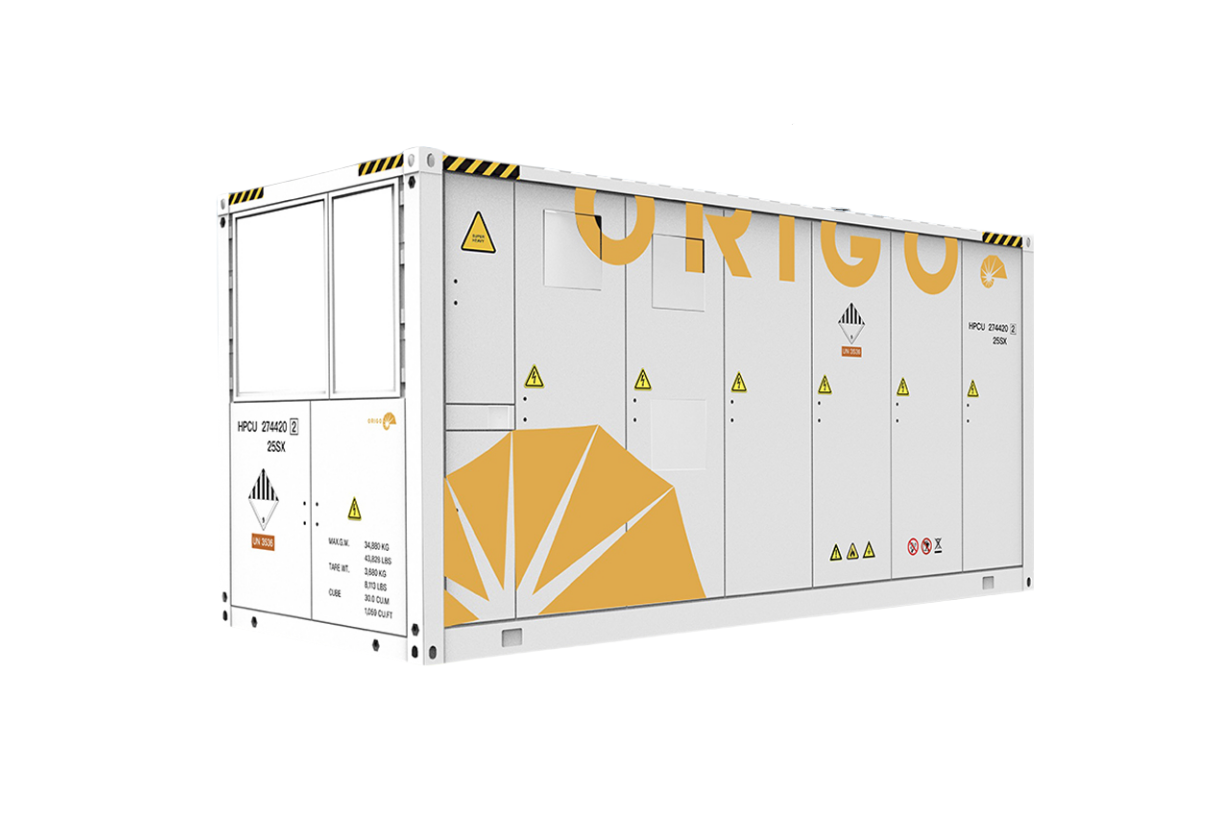
The Core Function of Energy Storage in Virtual Power Plant Operations
Temporal Decoupling: Aligning Intermittent Generation with Dynamic Demand
Virtual Power Plants or VPPs depend heavily on energy storage solutions to tackle the problem of renewable energy being available at times when we don't actually need it. The sun shines brightest when nobody's home and the wind blows strongest long after people have turned off their lights, creating all sorts of problems for keeping the power grid stable. That's where storage comes in handy. During the day when solar panels are pumping out electricity nobody wants right then, batteries soak up that extra power. Then later in the evening when everyone gets back from work and starts using appliances again, those same batteries release stored energy just as prices jump dramatically, sometimes tripling what they were during the day. This whole process turns unpredictable weather patterns into something businesses can actually make money from instead of losing potential revenue. Modern VPP systems now incorporate smart controllers powered by artificial intelligence that constantly adjust how much power gets sent out based on current market conditions and what the grid can handle at any given moment. If it weren't for this buffer provided by storage technology, Virtual Power Plants simply wouldn't be able to consistently provide clean electricity exactly when customers need it most throughout the day.
Grid Services Enabled: Frequency Regulation, Peak Shaving, and Black-Start Support
The lightning fast response times of energy storage systems give virtual power plants (VPPs) capabilities that go well beyond just supplying electricity. When it comes to keeping the grid stable, these storage units can either push extra power into the system or soak up excess within about a tenth of a second to keep things running at the standard 60 Hz frequency. This beats traditional generators hands down, performing roughly twenty times better in those crucial moments. During hot summer days when everyone cranks up their air conditioning, networks of distributed batteries work together to cut down on peak demand spikes. This not only eases pressure on old infrastructure but also saves money that would otherwise go toward expensive transformer replacements costing hundreds of thousands per circuit. And what happens during power outages? VPPs equipped with storage can actually restart entire sections of the grid from scratch within minutes by carefully activating different resources in sequence. The financial picture looks impressive too. A single 80 megawatt storage network brought in around $740,000 annually through various support services according to research from Ponemon Institute last year. These numbers show how storage technology is turning what was once just passive electricity production into something much more valuable for modern grid operations.
Battery Energy Storage Systems as the Scalable Backbone of Virtual Power Plant Architecture
Lithium-Ion Dominance: Performance, Cost Trends, and Standardized VPP Orchestration
Lithium ion battery storage systems have become the go to solution for most virtual power plant setups these days because they pack a lot of energy into small spaces and their prices keep dropping fast. The BloombergNEF numbers show costs fell about 89 percent from 2010 to 2023 which makes them really attractive for various applications. These batteries work especially well when connected to modular power converters. They handle things like frequency regulation and voltage support pretty reliably. What's interesting is how versatile they are too. Some residential models start at around 500 kWh while larger versions can reach up to 20 MWh for big utility projects. This range allows them to fit nicely into different control systems without much hassle.
Ultra-Fast Response: How Sub-100ms BESS Dispatch Enables Real-Time Virtual Power Plant Control
The ability to dispatch below 100 milliseconds gives battery energy storage systems (BESS) a real edge when it comes to controlling virtual power plants in real time. Thermal power plants take several minutes just to get going, while lithium-ion batteries can react to changes in grid frequency almost instantly - sometimes within one AC cycle. This kind of responsiveness matters a lot when dealing with unpredictable solar output or unexpected surges in demand. The quick reaction times help avoid those dangerous chain reactions that lead to widespread blackouts. Plus, operators can earn extra money through these fast acting ancillary services. A recent report from the U.S. Department of Energy shows that virtual power plants using this super fast BESS tech actually bring in around 25 to 40 percent more income from these support services than their slower counterparts do.
Distributed Energy Storage: Integrating Home Batteries and EVs into the Virtual Power Plant Ecosystem
Aggregation at Scale: From 50,000+ Residential Batteries to Unified VPP Capacity
Virtual Power Plants (VPPs) are changing how we think about home batteries, turning what was once just scattered equipment around neighborhoods into something much bigger for the power grid. When these systems coordinate with tens of thousands of household batteries, they actually pool together hundreds of megawatt hours worth of storage capacity that utilities can tap into when needed. This aggregated power gets used in several ways including cutting down on expensive peak demand periods, helping stabilize the grid's frequency, and providing backup power where it matters most locally. What makes this approach special is how it keeps everything running smoothly at the neighborhood level, maintaining stable electricity flow within very tight parameters. And there's another benefit too: compared to traditional power stations, this decentralized approach cuts down on energy loss during transport by somewhere between 7% and 12%. Plus, communities tend to bounce back faster from power outages during storms or other severe weather conditions because the backup comes from right next door rather than far away.
Bidirectional EV Integration: Turning Electric Vehicles into Mobile Virtual Power Plant Assets
EVs equipped with vehicle-to-grid (V2G) technology are becoming valuable mobile assets for virtual power plants. Each car typically offers between 40 and 100 kWh of storage that works both ways. Imagine what happens when we put together around 10,000 of these V2G enabled cars. They could provide about 400 MWh of immediate support to the grid, similar to what a medium sized peaker plant would offer. The smart charging systems keep batteries healthy while allowing them to react quickly to grid needs. During the day they soak up extra solar power and then release it back into the system when demand spikes in the evenings. What makes this interesting is how it transforms regular transportation into something that helps stabilize the electrical grid. Many VPP operators actually pay EV owners for letting their cars participate in things like frequency regulation and capacity markets.
Balancing Synergy and Risk: PV-BESS Pairing in Virtual Power Plant Design
Optimal Coupling: Why Solar + Storage Maximizes VPP Revenue Streams and Grid Value
When photovoltaic systems get paired with battery storage, they create something special that really boosts virtual power plant performance. Most solar panels produce their maximum electricity around noon, but people tend to need power and pay higher prices in the late afternoon. Battery systems fill this time gap between when solar is abundant and when it's most valuable. They store extra sunlight during the day and release it later when prices jump, making money through those price differences too. These batteries can also earn additional income from things like helping stabilize the grid frequency or standing ready as backup power sources. According to a recent market study from last year, combining solar with battery storage made virtual power plants bring in about 40 percent more cash compared to just having solar alone. This happens because operators can schedule when to send power to the grid better and qualify for more types of payments from utility companies.
Mitigating Seasonal Gaps: Hybrid Storage Strategies to Reduce PV-Dependent VPP Vulnerability
Seasonal solar variability poses reliability risks for PV-centric VPPs—especially in temperate zones where winter generation can drop up to 60%. Hybrid storage architectures mitigate this vulnerability through technology diversification:
- Lithium-ion batteries handle daily cycling and short-duration grid services
- Flow batteries provide extended backup during multi-day low-generation periods
- Thermal storage converts excess summer solar into dispatchable winter heat
This layered approach reduces reliance on any single resource while maintaining consistent VPP uptime. For example, pairing 4-hour lithium-ion systems with 12-hour vanadium flow batteries cuts seasonal outage risk by 78% (PJM Interconnection, 2023). Geographic dispersion of assets further insulates VPP output from regional weather disruptions—ensuring resilient, year-round grid support.
FAQ
What is a Virtual Power Plant (VPP)?
A Virtual Power Plant (VPP) is a network that integrates various distributed energy sources, including solar panels, wind turbines, and battery storage systems, to function together as a single, flexible power source.
Why is energy storage important in VPPs?
Energy storage is crucial for VPPs because it allows for storing excess energy generated by renewable sources like solar and wind for use when demand is higher, thus stabilizing the grid and maximizing revenue.
How do home batteries contribute to VPPs?
Home batteries aggregated in VPPs provide significant storage capacity that can reduce peak demand periods, stabilize grid frequency, and offer localized backup power during outages.
What role do EVs play in VPP ecosystems?
Electric Vehicles (EVs) with vehicle-to-grid (V2G) capabilities act as mobile storage units, offering additional energy storage and support to the grid, enhancing the flexibility and reliability of VPPs.
What is the benefit of pairing solar panels with battery storage?
Pairing solar panels with battery storage helps to store excess solar energy during the day and release it when demand spikes in the afternoon and evening, thus optimizing financial benefits and grid support.
Table of Contents
- The Core Function of Energy Storage in Virtual Power Plant Operations
- Battery Energy Storage Systems as the Scalable Backbone of Virtual Power Plant Architecture
- Distributed Energy Storage: Integrating Home Batteries and EVs into the Virtual Power Plant Ecosystem
- Balancing Synergy and Risk: PV-BESS Pairing in Virtual Power Plant Design
- FAQ