
 EN
EN
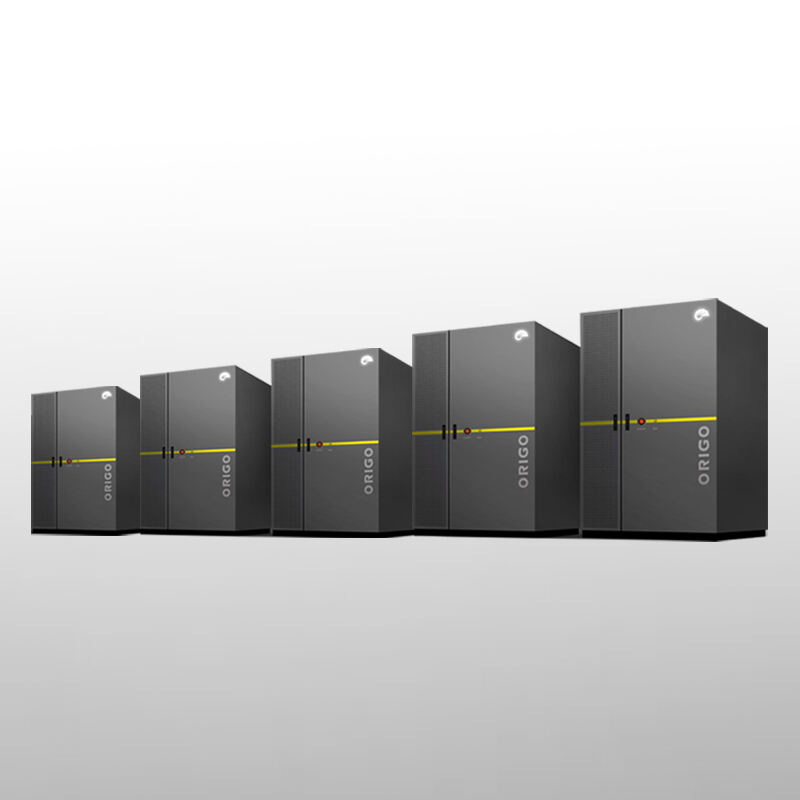
Core Components of a High-Quality Energy Storage Cabinet
Battery Management System (BMS) and Its Role in Safety and Reliability
At the heart of industrial energy storage cabinets sits the Battery Management System (BMS), acting like the brain that keeps everything running smoothly. It constantly checks on things like cell voltage, temperature levels, and how much charge remains in each cell. Better quality BMS setups keep those voltage differences under control at around 2% or less, even when charging happens quickly. This makes a real difference too, cutting down the chances of dangerous overheating situations by about two thirds compared to systems without proper monitoring according to some research from Ponemon back in 2023. Modern systems come equipped with smart algorithms that spot problems developing in cells long before they actually fail, sometimes as much as a year ahead of time. This kind of foresight helps prevent expensive shutdowns that nobody wants. Just think about it: factories losing money at a rate of roughly $740,000 every single day when operations get interrupted.
Power Conversion System (PCS) Integration for Efficient Energy Flow
Power Conversion Systems (PCS) let energy flow both ways between battery storage and electrical grids. Some of the better units hit around 98.5% efficiency when moving power back and forth, which cuts down on those annoying energy losses that happen every time we charge or discharge batteries. This kind of efficiency really helps with something called energy arbitrage where operators can buy low and sell high almost instantly, usually within 15 minutes or so. Most modern systems also work with smart grid technologies to meet those important UL 1741-SA requirements. These include protections against islanding issues and various functions that help stabilize the grid when needed.
Thermal Management in Energy Storage: Ensuring Longevity and Performance
Keeping batteries within their ideal temperature range around 25 to 35 degrees Celsius, plus or minus about 1.5 degrees, really makes a difference in how long they last. Studies from NREL back this up showing that under normal daily use conditions, batteries can actually last almost 40% longer when kept at these temperatures. For cooling systems, there's something called hybrid approaches that mix liquid cooled plates which pull away heat from specific spots with regular air circulation inside cabinets. These setups cut down on extra power needed for cooling by roughly 22% compared to just using forced air alone. The result? Better efficiency across the whole system while still keeping things running smoothly.
Fire Safety System Design in Commercial and Industrial (C&I) Energy Storage Systems
Fire safety systems that meet NFPA 855 standards typically include several layers of detection technology. These range from gas sensors to thermal imaging cameras and pressure monitoring devices, which together help keep false alarms down to around 0.03%. When something is detected, the suppression system kicks in across multiple zones. It releases special aerosol agents while also starting up cooling mechanisms all within about half a minute. The protective enclosures themselves are built tough enough to handle temperatures over 1800 degrees Fahrenheit for at least two hours straight. This kind of performance usually goes beyond what local regulations require for most industrial settings, giving businesses extra peace of mind when it comes to fire protection.
Smart Controls and Energy Management Systems (EMS) for Real-Time Optimization
Today's energy management systems (EMS) use machine learning techniques that have been trained on about 12 to 18 months worth of actual facility usage data. This helps these systems get better at figuring out the best ways to dispatch power when needed most. The cloud connected nature of these modern systems allows them to cut down those expensive peak demand charges by somewhere between 19% and 34%, mainly because they automatically shift loads around during different times of day. What's really interesting is how the self adjusting algorithms work their magic even as batteries start to age naturally over time, keeping track of charge levels within just plus or minus 1%. Looking at recent research from DNV back in 2024 shows something pretty compelling too. Their analysis found that businesses using these smart control systems saw a return on investment improvement of around 22 percentage points compared to older timer based approaches commonly used in commercial buildings today.
Thermal Management: Liquid-Cooling vs Air-Cooling in C&I Energy Storage Cabinets
Advantages of Liquid-Cooled Systems in High-Density Applications
Liquid-cooled cabinets outperform air-cooled designs in high-density environments due to superior heat dissipation. By maintaining cell temperature variance within ±1.5°C, they enable 40% higher energy density without sacrificing safety—making them ideal for space-constrained industrial facilities. This precision cooling also prevents thermal pockets common in tightly packed battery arrays.
Energy Efficiency and Temperature Uniformity Compared
| Metric | Liquid Cooling | Air Cooling |
|---|---|---|
| Energy Consumption | 0.8 kWh/day | 2.4 kWh/day |
| Temp Variance | 1.8°C | 6.3°C |
| Cooling Response Time | 22 seconds | 150+ seconds |
Liquid systems achieve 94% temperature uniformity, far surpassing the 72% typical of air-cooled cabinets. Pump-driven coolant removes heat six times faster than fan-based airflow, cutting annual auxiliary energy use by 68% in commercial operations.
Impact of Cooling Method on Battery Cycle Life and Safety
Effective thermal control directly influences battery lifespan and safety. Liquid-cooled cabinets deliver over 6,500 charge cycles at 90% capacity retention—35% more than air-cooled equivalents. Their ±2°C cell-to-cell temperature differentials reduce thermal runaway risk by 81% (Ponemon 2023), a crucial advantage in 24/7 industrial operations.
Safety, Reliability, and Structural Resilience in Industrial Environments
Multi-Layered Fire Suppression and Detection Technologies
The fire safety system in industrial energy storage cabinets actually has three main components working together. First off, there are these temperature sensors spread throughout the cabinet that can spot problems early on and kick in localized cooling within about 200 milliseconds according to a recent analysis from Structure Insider in their 2024 Industrial Materials report. Then we have the gas suppression system which stops fires much quicker than old school powder based systems - around 40% faster in fact. And finally, special barriers divide the cabinet into sections so if something does catch fire, it stays contained to less than 5% of the total space inside. This prevents one small fire from spreading everywhere and causing major damage across the entire cabinet setup.
Robust Cabinet Design for Harsh Conditions and Long-Term Durability
Steel enclosures treated with hot dip galvanization and featuring IP55 corrosion protection can last through around 1,200 humidity cycles, which industry experts estimate translates to roughly 25 years out in the field. The shock absorbing mounts cut down on vibration damage by about 72% even in those tough industrial settings where machinery is constantly running. This has been tested against military standards (MIL-STD-810G) so we know it works. For the coating system, multiple layers of epoxy help stop tiny cracks from forming at the joints. What does this mean practically? Service intervals get extended anywhere from three to four times longer compared to regular powder coated options, saving maintenance costs and downtime over time.
Scalability and Integration Flexibility for Evolving Business Needs
Modular Architecture for Seamless Expansion of Energy Storage Capacity
Energy storage cabinets designed with modular architecture let facilities expand their capacity bit by bit without having to shut down operations completely. According to research from Codeless Platforms last year, companies saw about a 22 percent drop in expansion expenses when they went modular instead of sticking with traditional fixed systems. The real value comes from this adaptability which handles all sorts of changing needs across different industries. Think about expanding warehouse spaces during peak seasons or dealing with those ever-changing electricity rates from utility providers. What makes these modular setups stand out is how efficient they stay even when running below full capacity. Most maintain around 98% round trip efficiency, something that standard single unit systems simply can't match under similar conditions.
Integration with Solar and Wind for Enhanced ROI and Sustainability
Today's modern cabinets come equipped with universal grid-tie inverters that work well with both photovoltaic panels and those little wind turbines people sometimes install on rooftops. When it comes to combining solar power with storage solutions, these hybrid systems tend to pay off quicker than standalone setups. We're talking about return on investment speeds that can be anywhere from 18 to 34 percent faster. How does this happen? Well, they take advantage of something called dynamic load shifting, participate in those utility company programs where they get paid for reducing power usage during peak times, and also qualify for those nice federal tax credits available for clean energy initiatives. The software side of things matters just as much though. A recent survey conducted by Energy Storage Monitor back in 2023 found that around two thirds of operators really care about whether their new systems can talk to the old ones already in place. Most folks want their new equipment to play nicely with whatever SCADA system or building management platform they've been using for years without needing expensive upgrades or replacements.
Future-Proofing Facilities Through Flexible System Design
Forward-thinking manufacturers equip cabinets with adaptable features to accommodate emerging technologies:
| Future-Proofing Feature | Operational Benefit |
|---|---|
| Multi-voltage DC buses | Supports next-gen battery chemistries |
| Edge computing nodes | Enables AI-driven load forecasting |
| Standardized API ports | Simplifies third-party EMS integration |
According to the 2024 Grid Modernization Initiative report, facilities using future-ready systems required 41% fewer hardware upgrades when adopting innovations like vehicle-to-grid (V2G) interfaces, minimizing lifecycle costs and disruption.
Operational Benefits: Cost Savings, Backup Power, and O&M Efficiency
Energy storage cabinets deliver tangible financial and operational advantages for commercial and industrial facilities, centered on three pillars: cost reduction, power continuity, and maintenance efficiency.
Reducing Energy Costs via Peak Shaving and Demand Charge Management
By discharging stored energy during peak pricing periods, facilities implement effective peak shaving strategies that lower demand charges—typically 30–50% of commercial electricity bills. A 2024 analysis showed that businesses deploying 500 kWh systems saved between $18,000 and $32,000 annually through strategic load shifting.
Ensuring Business Continuity with Backup Power and Microgrid Support
During grid outages, energy storage provides instantaneous backup power, sustaining critical operations for 8–24 hours. This capability is vital for cold storage, healthcare, and data centers where even brief interruptions result in significant financial or safety consequences. Seamless transition technology ensures zero downtime during grid-to-battery switching.
Remote Monitoring, Predictive Maintenance, and Uptime Optimization
Cloud-based EMS dashboards enable continuous remote monitoring of system performance. Predictive maintenance algorithms analyze real-time battery health metrics to schedule interventions before failures occur, reducing repair costs by 40–60% compared to reactive servicing. Operators using these tools consistently report system uptime exceeding 99.5% across multi-year deployments.
FAQ Section
What is the role of Battery Management Systems (BMS) in energy storage cabinets?
BMS acts as the brain of energy storage cabinets, monitoring cell voltage, temperature levels, and charge status to optimize safety and performance. They help prevent overheating and system failures.
How does PCS integration enhance energy flow in storage systems?
Power Conversion Systems (PCS) enable high-efficiency energy transfer between battery storage and grids, reducing energy losses and facilitating strategies like energy arbitrage.
Why is thermal management important in energy storage cabinets?
Proper thermal management maintains optimal battery temperature, enhancing battery lifespan and system efficiency. Hybrid cooling solutions reduce power demands and increase performance.
How do fire safety systems protect energy storage cabinets?
Fire safety systems use multiple detection technologies and suppression agents to prevent and contain fires, often exceeding industry standards for added protection.
What benefits do smart controls and EMS provide?
Smart Energy Management Systems optimize power dispatch, reduce peak demand costs, and improve ROI by using machine learning for real-time adjustments.
Table of Contents
-
Core Components of a High-Quality Energy Storage Cabinet
- Battery Management System (BMS) and Its Role in Safety and Reliability
- Power Conversion System (PCS) Integration for Efficient Energy Flow
- Thermal Management in Energy Storage: Ensuring Longevity and Performance
- Fire Safety System Design in Commercial and Industrial (C&I) Energy Storage Systems
- Smart Controls and Energy Management Systems (EMS) for Real-Time Optimization
- Thermal Management: Liquid-Cooling vs Air-Cooling in C&I Energy Storage Cabinets
- Safety, Reliability, and Structural Resilience in Industrial Environments
-
Scalability and Integration Flexibility for Evolving Business Needs
- Modular Architecture for Seamless Expansion of Energy Storage Capacity
- Integration with Solar and Wind for Enhanced ROI and Sustainability
- Future-Proofing Facilities Through Flexible System Design
- Operational Benefits: Cost Savings, Backup Power, and O&M Efficiency
- Reducing Energy Costs via Peak Shaving and Demand Charge Management
- Ensuring Business Continuity with Backup Power and Microgrid Support
- Remote Monitoring, Predictive Maintenance, and Uptime Optimization
-
FAQ Section
- What is the role of Battery Management Systems (BMS) in energy storage cabinets?
- How does PCS integration enhance energy flow in storage systems?
- Why is thermal management important in energy storage cabinets?
- How do fire safety systems protect energy storage cabinets?
- What benefits do smart controls and EMS provide?