
 EN
EN

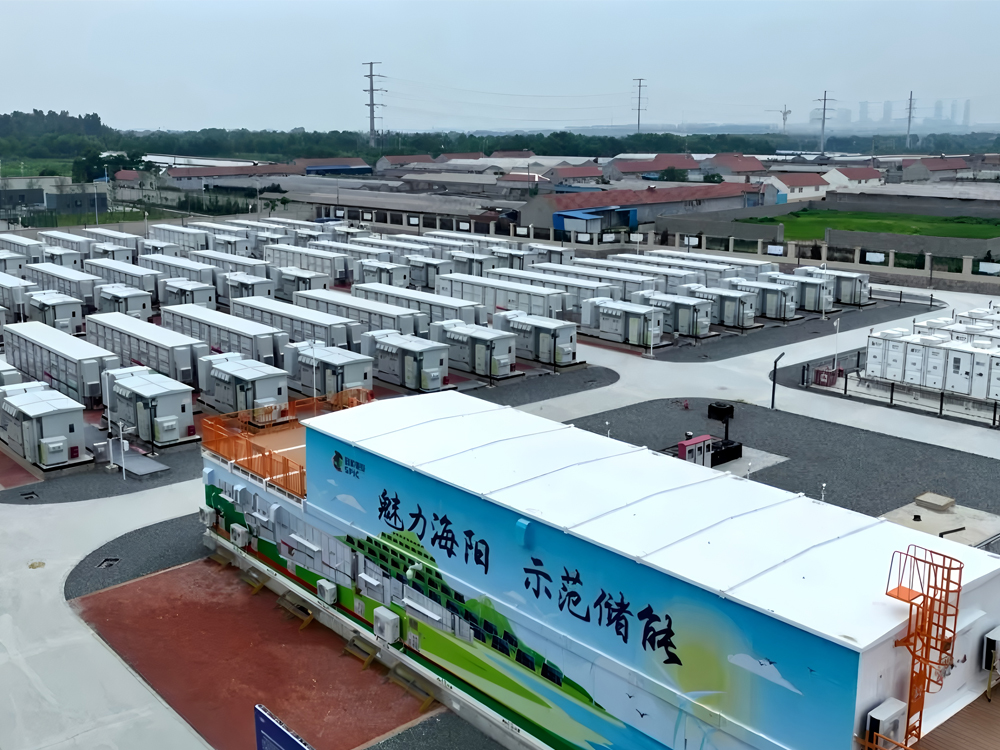
Unmatched Safety Profile of LFP Energy Storage for Commercial Environments
Thermal stability and resistance to thermal runaway under real-world stress conditions
The chemistry behind LFP (lithium iron phosphate) batteries gives them a real edge when it comes to safety, especially important for commercial and industrial energy storage applications. These batteries just don't catch fire easily like their nickel-manganese-cobalt cousins do. While NMC batteries start showing problems around 200 degrees Celsius, LFP units keep working even when things get pretty hot. The reason? Those strong phosphate-oxygen connections inside need about half again as much energy to break apart compared to what happens in regular nickel cathodes. According to industry reports, we're seeing something like less than one thermal event every gigawatt hour with LFP technology. That makes these batteries roughly twelve times safer than NMC options according to most studies. No wonder hospitals, data centers, and other places where power failures aren't an option are turning to LFP solutions for their backup needs.
Explosion-proof design and mechanical robustness for indoor, urban, and space-constrained C&I deployments
LFP energy storage systems are built tough for tough environments. They come with special vented enclosures that let out heat and gases safely without any risk of fire, plus shock absorbing parts that meet requirements for areas prone to earthquakes (Zone 4). The units also have good protection from dust and water thanks to their IP55 rating. All these features make them suitable for places like basements, factory floors, and buildings that serve multiple purposes - locations where regular safety measures just don't work well. Because they're so durable mechanically, companies can save around 40 percent on installation costs when compared to older NMC systems that need extra reinforced vaults. Plus there's no need to spend money retrofitting old buildings with expensive ventilation systems either.
Superior Longevity and Cost Efficiency: LFP Energy Storage Delivers Stronger ROI
6,000+ cycle life with <20% capacity fade—enabling 15-year commercial BESS lifespans
LFP batteries can handle well over 6,000 full discharge cycles before dropping below 80% of their original capacity, which means they last about three times longer than most traditional battery options when used commercially. This kind of longevity makes them viable for around 15 years in real world applications, cutting down how often these systems need replacing and reducing the amount of hazardous waste produced by roughly two thirds compared with other battery types that don't last as long. What sets LFP apart from alternatives like NMC is its stable cathode design that doesn't degrade easily, even when subjected to regular peak shaving operations day after day. As a result, LFP maintains reliable performance characteristics without showing signs of premature wear or failure.
Lower levelized cost of storage (LCOS) and TCO versus NMC in commercial & industrial applications
LFP delivers a 30% lower Levelized Cost of Storage (LCOS) than NMC in commercial settings. Key drivers include abundant, low-cost iron and phosphate raw materials—reducing material expenses by 40%—elimination of complex thermal runaway mitigation systems, and dramatically reduced maintenance requirements (5× fewer interventions than lead-acid).
| Cost Factor | LFP Advantage | Commercial Impact |
|---|---|---|
| Cycle Life | 2x longer than NMC | $210k savings per 1MWh system |
| Safety Compliance | Simplified fire suppression | $74k/year insurance reduction |
| Energy Density | Optimized for stationary use | 18% lower footprint costs |
Commercial operators realize 22% faster ROI, with total cost of ownership (TCO) dropping by $340k per 2MW installation over 10 years.
Seamless Scalability and Integration of LFP Energy Storage Across Core Commercial Workflows
Native compatibility with peak shaving, backup power, and solar self-consumption systems
LFP battery storage works really well with many business operations these days. Think about things like cutting down on electricity bills during peak hours, having reliable backup power when needed, and making better use of solar energy generated on site. This is because lithium iron phosphate batteries are pretty stable chemically and respond quickly to changes in power needs. The frequent charging and discharging cycles that happen every day for reducing demand charges? No problem at all for LFP systems. Real world tests from utilities last year showed savings between 20% and 40% on those demand charges. Pairing them with solar panels gives even better results. These systems can get around 95% efficiency when moving energy back and forth, and switch automatically to backup mode during power outages without any hiccups. For businesses needing emergency power, LFP batteries stay ready with over 90% charge most of the time, even in hot environments where temperatures reach up to 45 degrees Celsius, and they don't need extra cooling equipment to do this either.
Turnkey system integration and modular LFP energy storage solutions for diverse C&I facilities
The modular LFP architecture makes it easy to deploy across different locations like warehouses, manufacturing sites, and retail spaces. These turnkey solutions can grow from small setups at around 100kWh all the way up to massive multi-megawatt installations. The secret sauce? Standardized UL certified racks that slash installation time by about two thirds compared to traditional methods. When expanding later on, modular additions only bump up initial costs by under 15%, whereas replacing entire systems would typically cost over 35% more. That's why many facilities prefer this approach when they're looking to expand gradually rather than going all in at once. What really stands out is how everything integrates so smoothly. There are unified monitoring dashboards that bring together data from solar panels, grid usage, and storage units. Most installations don't need any on site engineering thanks to pre configured cabinets, which works for about 90% of cases. Plus, there's built in phase balancing for those three phase industrial loads, so no need for extra transformers lying around. And let's not forget the standardized MODBUS and CAN protocols that just work right out of the box with most existing building management systems.
FAQ Section
Why are LFP batteries considered safer than NMC batteries?
LFP batteries are less prone to catch fire due to their chemical structure, which includes strong phosphate-oxygen connections that require more energy to break. This makes them significantly safer under high temperatures compared to NMC batteries.
How long do LFP batteries generally last?
LFP batteries offer an outstanding cycle life of over 6,000 discharges before capacity falls below 80%, allowing them to last approximately 15 years in commercial settings.
What makes LFP systems cost-effective in commercial spaces?
Cost-effectiveness of LFP systems derives from lower material costs, reduced maintenance, and a longer lifespan, offering a 30% lower Levelized Cost of Storage compared to NMC systems.
Can LFP systems be easily integrated into existing workflows and infrastructures?
Yes, LFP systems are designed for easy integration due to standardized configurations and compatibility with existing solar and power management systems, reducing installation times and costs.