
 EN
EN
Przydatne linki
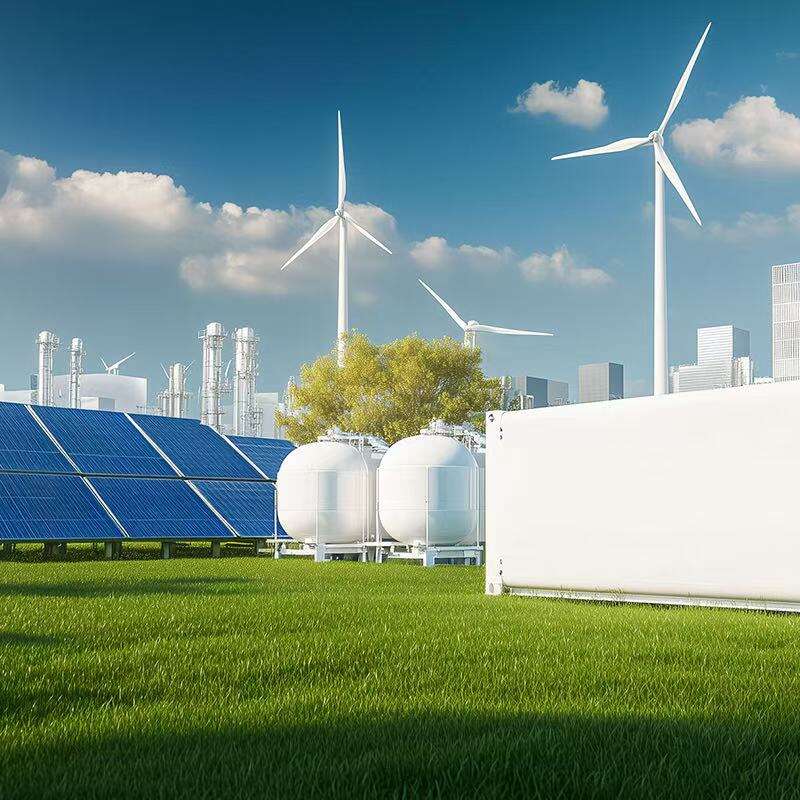
Architektura i skalowalność modułowego szafy ESS typu all-in-one o pojemności 215 kWh z bateriami LFP: Dlaczego pojemność 215 kWh stanowi optymalny wybór dla zastosowań w sektorach komercyjnym i przemysłowym? Szafa all-in-one o pojemności 215 kWh wykorzystuje akumulatory litowo-żelazowo-fosforanowe (LFP), które oferują wyjątkową bez...
POKAŻ WIĘCEJ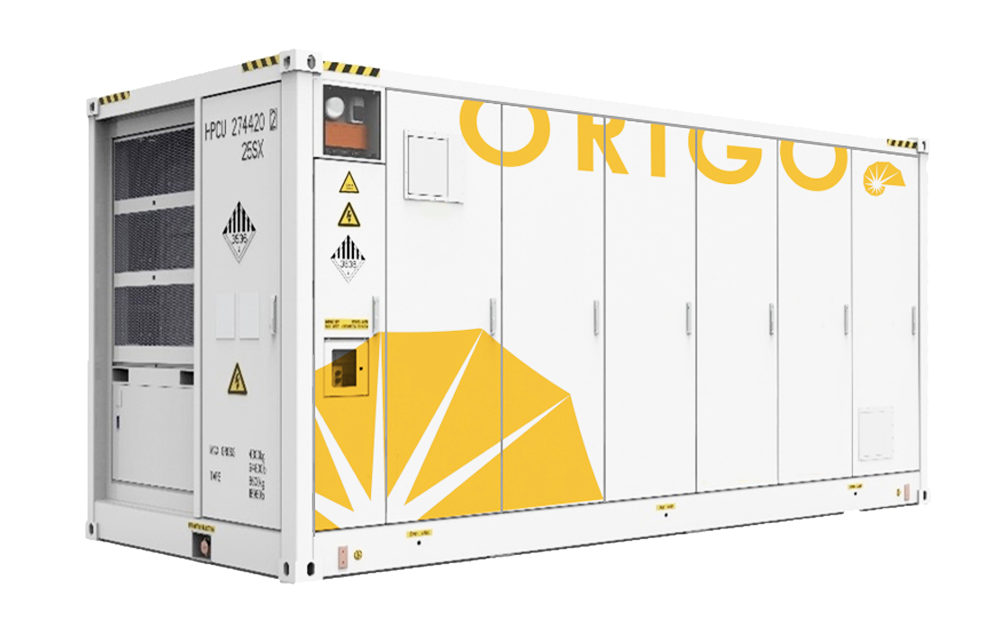
Rozwiązywanie problemu niestabilności produkcji energii ze źródeł odnawialnych za pomocą magazynowania energii w sieci. Kluczowy wyzwanie: dopasowanie zmiennej produkcji energii z wiatru i słońca do stałego zapotrzebowania. Problem z energią wiatrową i słoneczną polega na tym, że jej wytwarzanie zależy w dużej mierze od warunków pogodowych oraz długości dnia, co prowadzi...
POKAŻ WIĘCEJ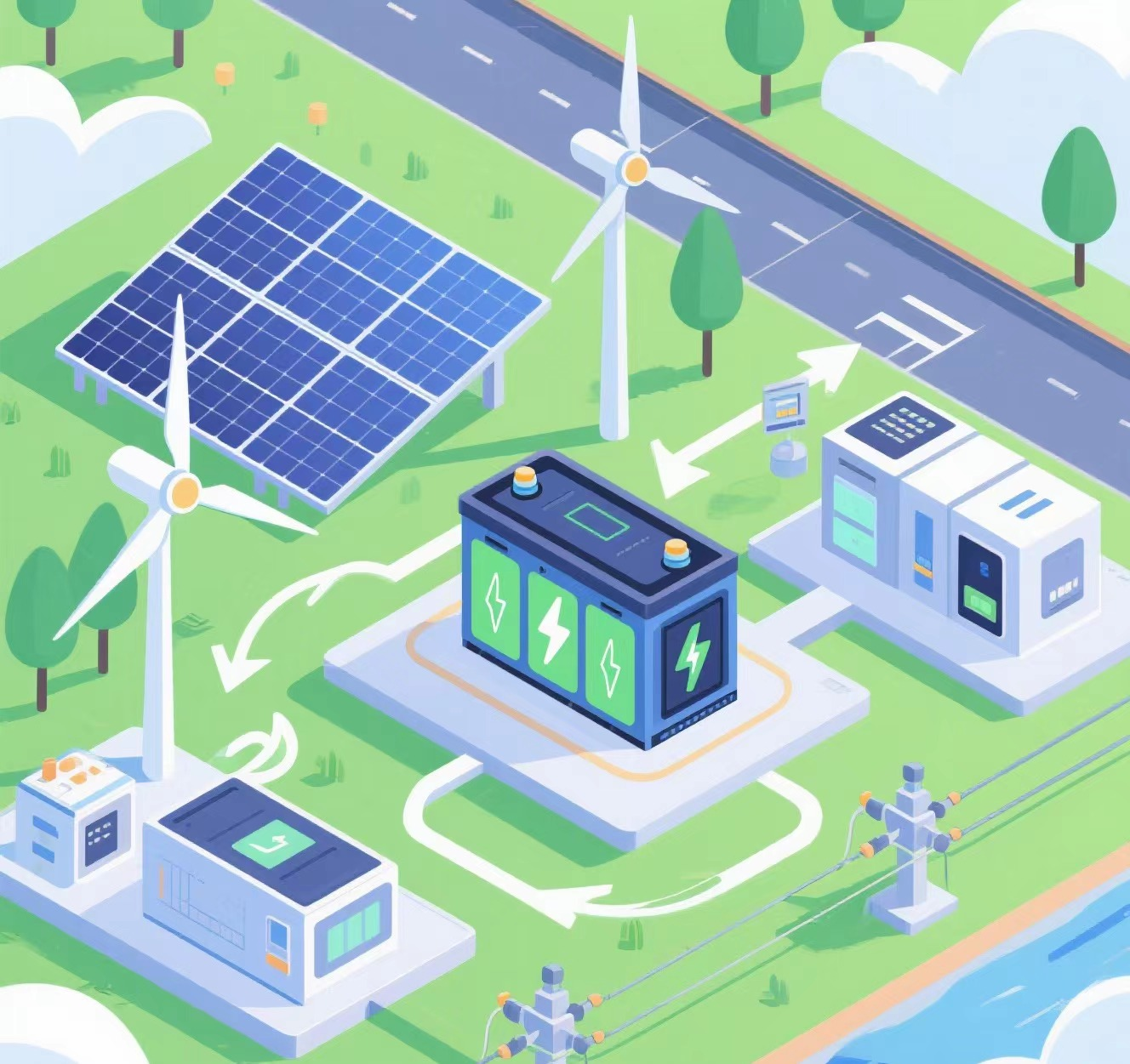
Inteligentny system zarządzania baterią: rdzeń niezawodności systemu magazynowania energii w bateriach. Inteligentny system zarządzania baterią (BMS) kontroluje każdy kluczowy parametr operacyjny — zapewniając bezpieczeństwo, długą żywotność oraz maksymalną wydajność. Jego wstęp...
POKAŻ WIĘCEJ
Bezpieczeństwo i stabilność termiczna w stacjonarnych systemach magazynowania energii (BESS) Temperatura rozpoczęcia termicznego rozbiegu i zachowanie propagacji: LFP vs NMC Gdy chodzi o stabilność termiczną, akumulatory litowo-żelazowo-fosforanowe (LFP) wyróżniają się w porównaniu do akumulatorów litowo-niklowo-manganowo-kobaltowych (NMC)...
POKAŻ WIĘCEJ
Dobór pojemności szafy do magazynowania energii zgodnie z profilami obciążenia przemysłowego: dopasowanie pojemności akumulatorów do dziennej zapotrzebowania na kWh oraz kluczowych wymagań dotyczących czasu pracy w trybie awaryjnym. Przy określaniu wymaganej pojemności szafy do magazynowania energii zwykle należy wziąć pod uwagę dwa kluczowe czynniki...
POKAŻ WIĘCEJ
Zrozumienie architektury hybrydowych systemów fotowoltaicznych i magazynowania energii. Hybrydowe systemy fotowoltaiczne i magazynowania energii łączą technologię fotowoltaiczną z zaawansowanymi systemami magazynowania energii w postaci akumulatorów, tworząc odporność i samowystarczalne rozwiązania energetyczne — zasadniczo przekształcając...
POKAŻ WIĘCEJ
Zrozumienie kluczowych wskaźników efektywności w systemach magazynowania energii akumulatorowej: Efektywność cyklu obiegu – kwantyfikacja strat wynikających z upadku napięcia, konwersji przez falownik oraz narzutów systemu zarządzania baterią (BMS). Efektywność cyklu obiegu (RTE) określa zasadniczo, jaka ilość energii jest odzyskiwana...
POKAŻ WIĘCEJ
Wrodzone bezpieczeństwo chemii baterii LFP w zastosowaniach komercyjnych: struktura kryształowa oliwinu — jak zapobiega ona uwalnianiu tlenu i rozbieżności termicznej. W centrum bezpieczeństwa baterii LFP leży ich struktura kryształowa oliwinu, która charakteryzuje się...
POKAŻ WIĘCEJ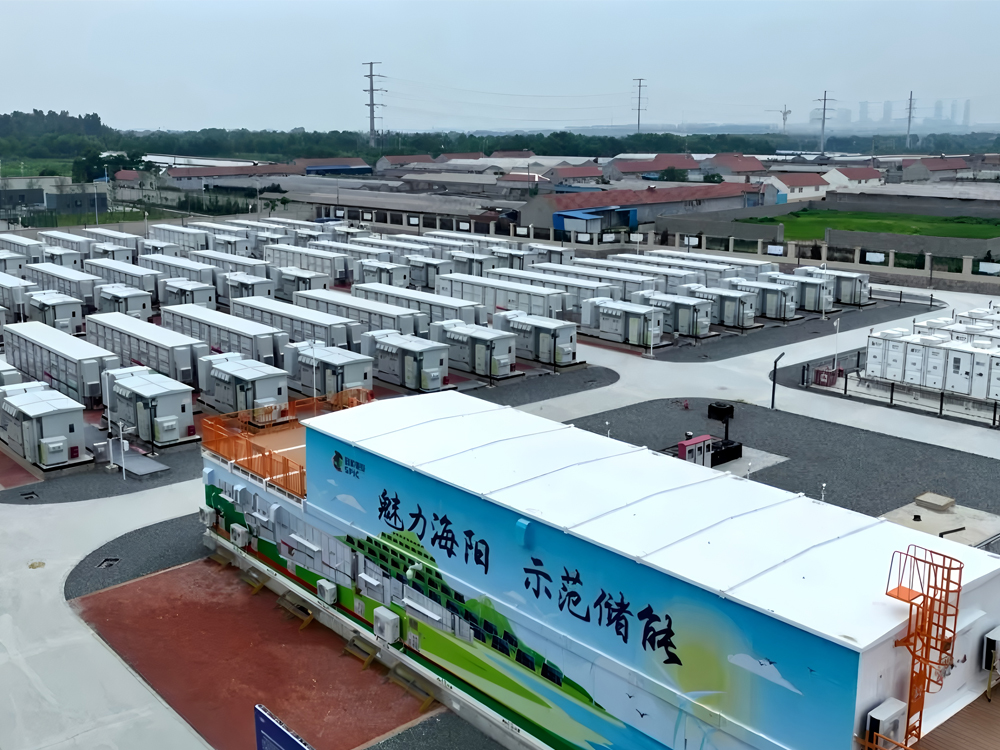
Nieporównywalny poziom bezpieczeństwa magazynowania energii z baterii LFP w środowiskach komercyjnych: stabilność termiczna oraz odporność na rozbieżność termiczną w warunkach rzeczywistego obciążenia. Chemia baterii LFP (lity-żelazowo-fosforanowych) zapewnia im istotną przewagę w porównaniu do innych technologii...
POKAŻ WIĘCEJ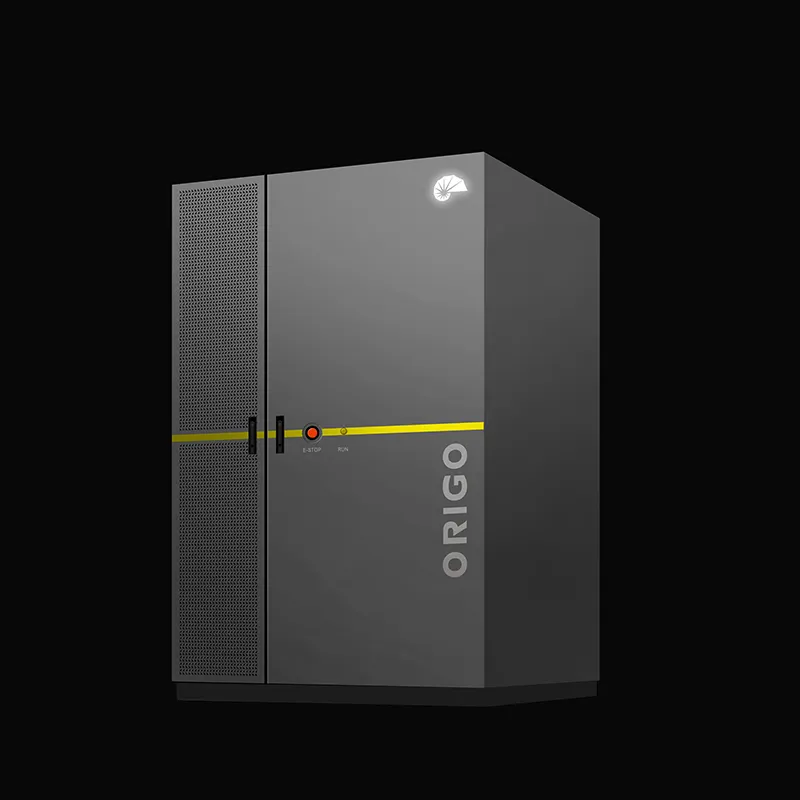
Kluczowe wymagania bezpieczeństwa dla szaf do magazynowania energii w zastosowaniach przemysłowych: odporność na ogień oraz systemy gaszenia pożarów wewnętrznych. W przypadku szaf do magazynowania energii przeznaczonych do zastosowań przemysłowych konieczne jest stosowanie materiałów odpornych na ogień w połączeniu z modułowymi, oddzielonymi przestrzennymi konstrukcjami oraz...
POKAŻ WIĘCEJ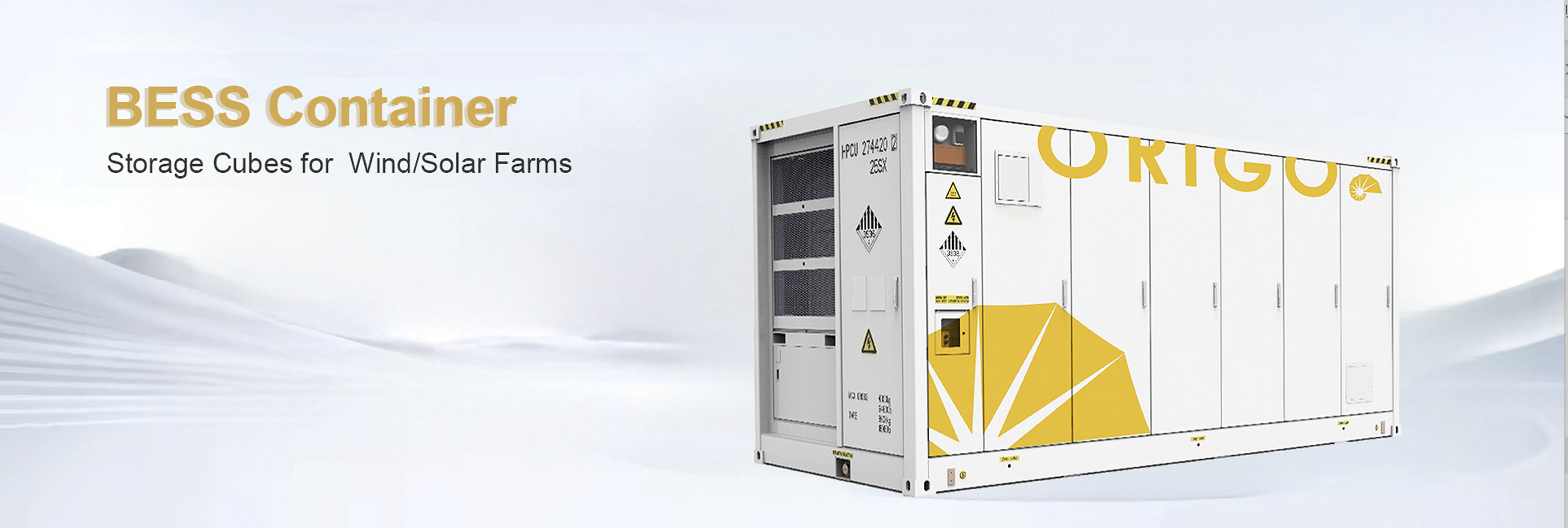
Optymalizacja zakresu stanu naładowania w celu minimalizacji naprężeń elektrochemicznych Utrzymywanie zdrowia baterii litowych w czasie oznacza odpowiednie zarządzanie ich ładowaniem. Gdy ograniczymy ładowanie do zakresu około 20%–80%, zamiast dopuszczać całkowite rozładowanie...
POKAŻ WIĘCEJ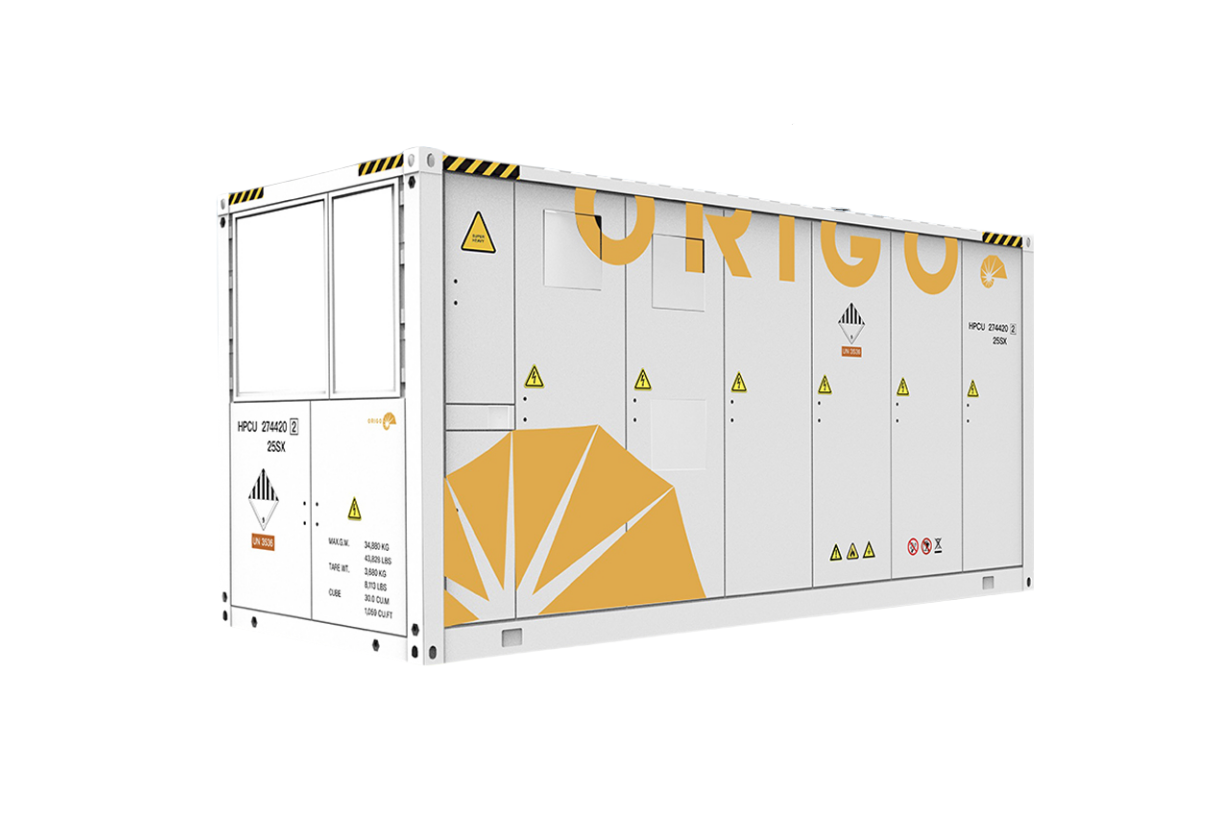
Główne funkcje magazynowania energii w działaniu wirtualnych elektrowni Tymczasowe rozłączenie: Synchronizacja niestabilnej produkcji z dynamicznym popytem Wirtualne elektrownie (VPP) w dużej mierze polegają na rozwiązaniach magazynowania energii, aby radzić sobie z problemem odnawialnej...
POKAŻ WIĘCEJ
Publikujemy również nasze zasoby w mediach społecznościowych. Dostań się na bieżąco z postępami, wglądami i działalnością ORIGO w zakresie rozwiązań energetyki odnawialnej.
Prawa autorskie © 2025 przez Origotek Co., Ltd.