

Home >

Architecture and Scalability of the 215 kWh All-in-One ESS Cabinet Modular LFP Battery Design: Why 215 kWh Is the Sweet Spot for C&I Applications The 215 kWh all-in-one cabinet runs on lithium iron phosphate (LFP) batteries that offer remarkable sa...
VIEW MORE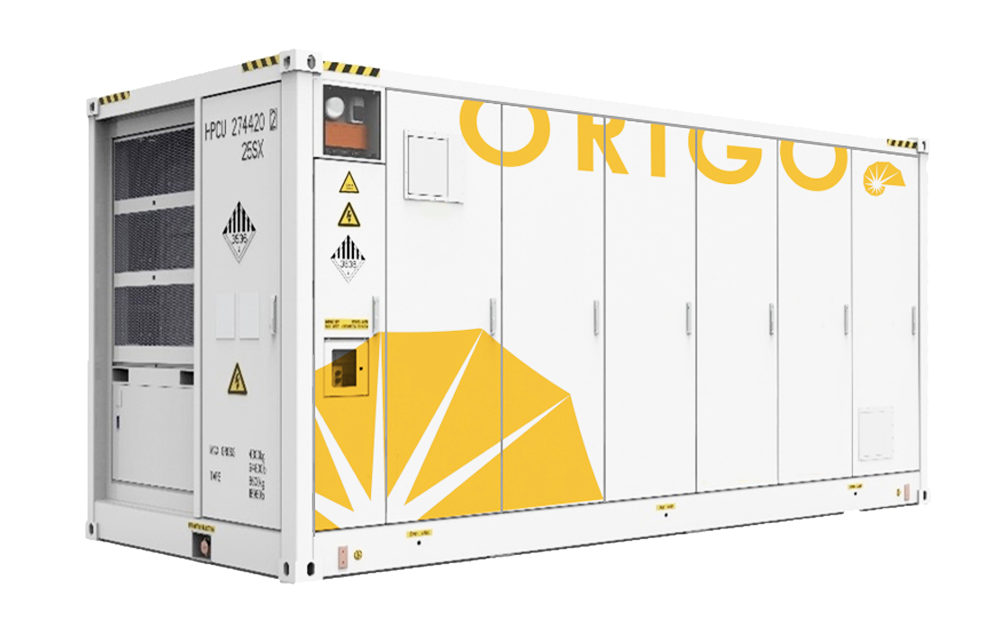
Solving Renewable Intermittency with Grid Energy Storage The Core Challenge: Matching Variable Wind and Solar Output to Constant Demand The problem with wind and solar power is they depend heavily on weather conditions and daylight hours, which lea...
VIEW MORE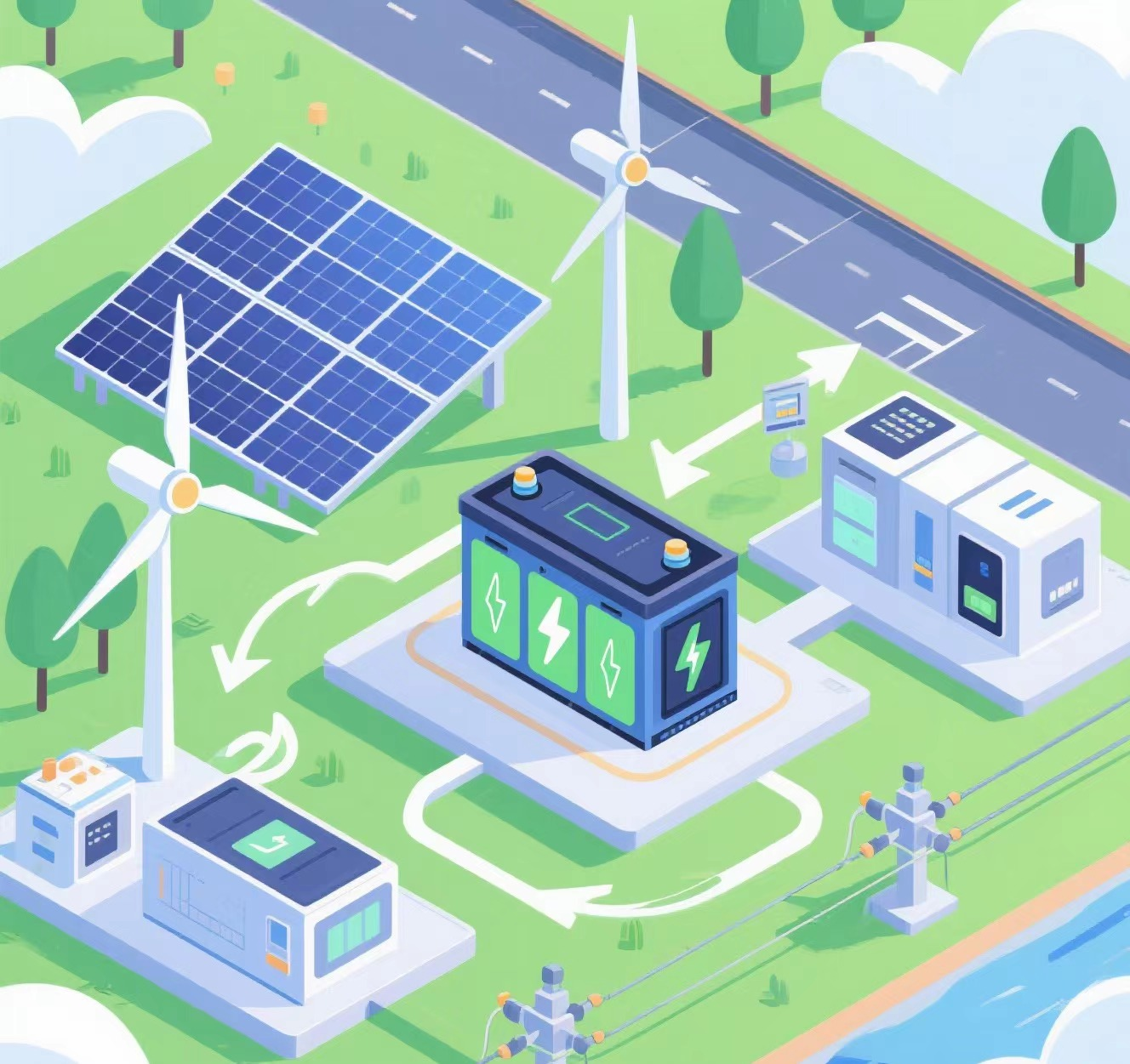
Intelligent Battery Management System: The Core of Battery Energy Storage System Reliability An intelligent Battery Management System (BMS) governs every critical operational parameter—ensuring safety, longevity, and peak performance. Its pre...
VIEW MORE
Safety and Thermal Stability in Stationary BESS Thermal runaway onset temperature and propagation behavior: LFP vs NMC When it comes to thermal stability, Lithium Iron Phosphate (LFP) batteries stand out compared to Nickel Manganese Cobalt (NMC) op...
VIEW MORE
Sizing Your Energy Storage Cabinet for Industrial Load Profiles Aligning Battery Capacity with Daily kWh Demand and Critical Runtime Goals When determining the size needed for an energy storage cabinet, there are typically two key factors to consid...
VIEW MORE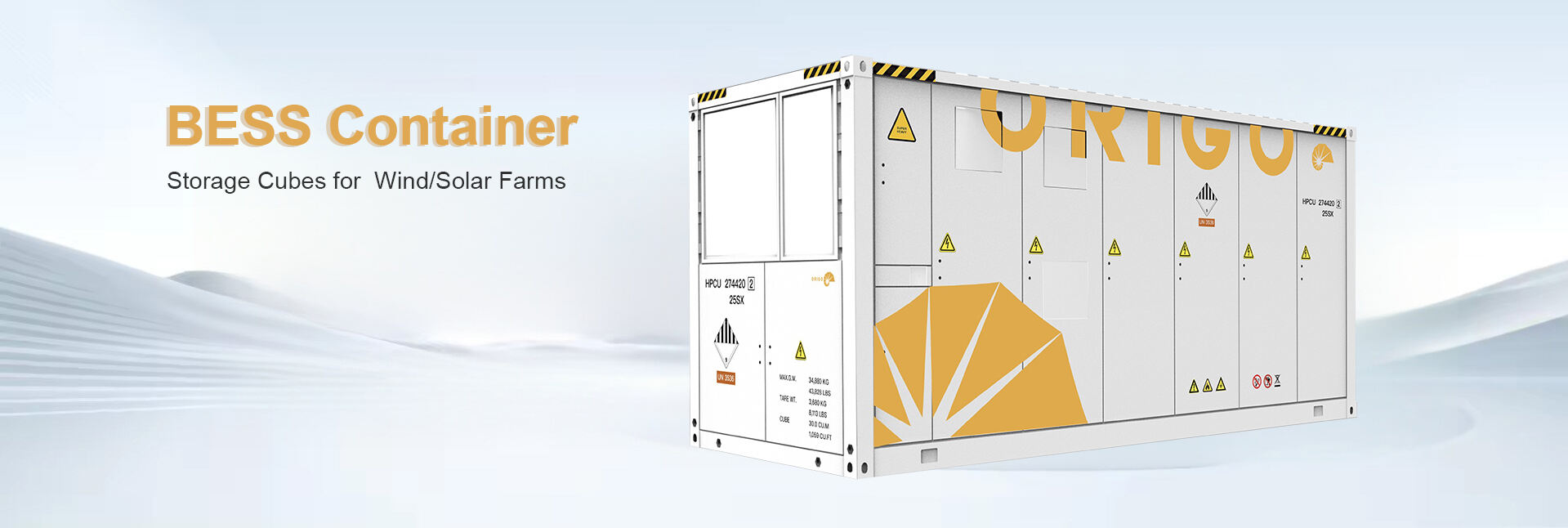
Understanding Hybrid Solar and Energy Storage System Architecture Hybrid solar and energy storage systems combine photovoltaic technology with advanced battery storage to create resilient, self-sufficient power solutions—fundamentally transfo...
VIEW MORE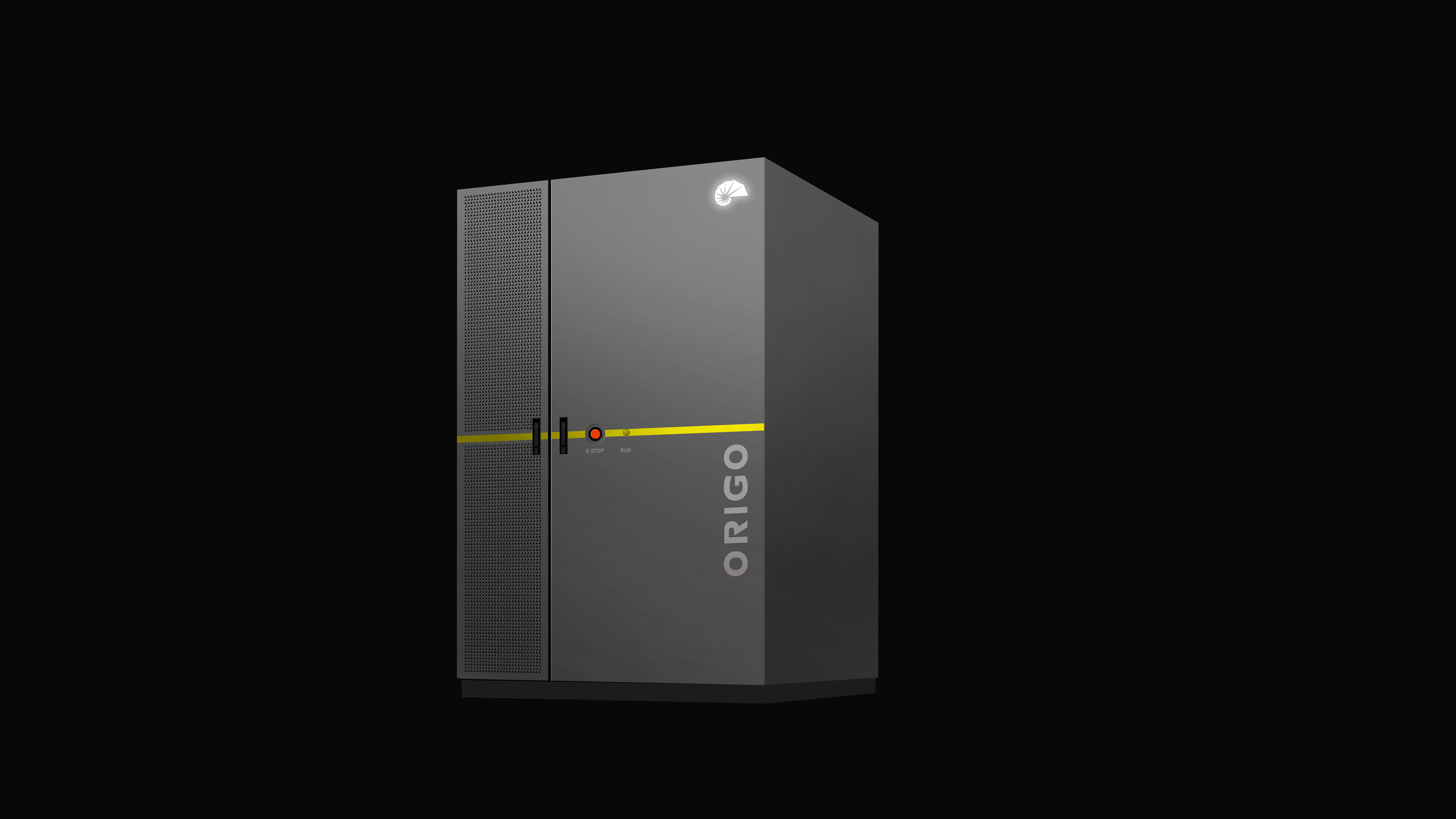
Understanding Core Efficiency Metrics in Battery Energy Storage Systems Round-Trip Efficiency: Quantifying Losses from Voltage Drop, Inverter Conversion, and BMS Overhead Round trip efficiency, or RTE, basically tells us how much energy we get back...
VIEW MORE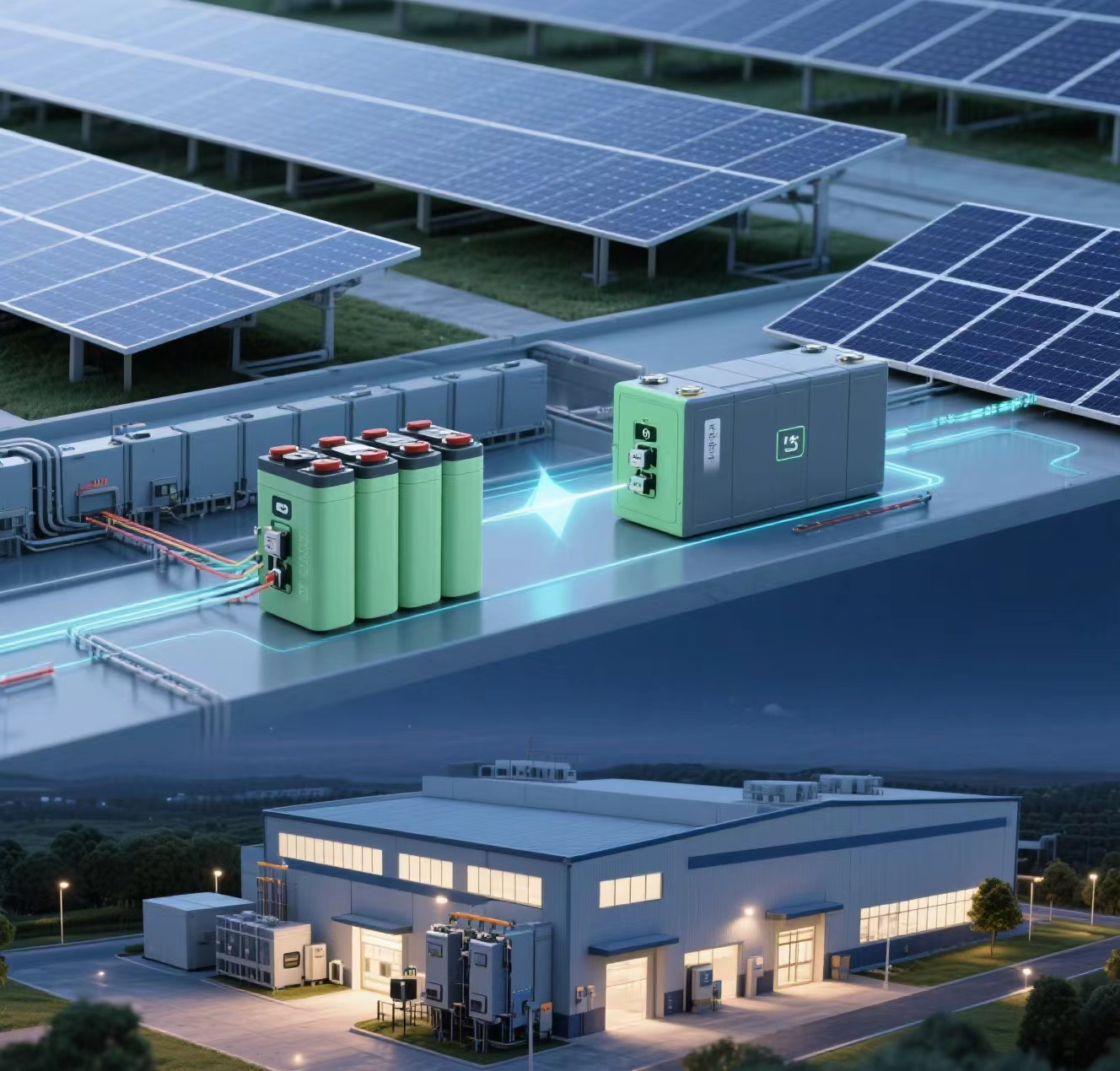
Inherent Safety of LFP Battery Chemistry for Commercial Applications Olivine Crystal Structure: How It Inhibits Oxygen Release and Thermal Runaway At the heart of why LFP batteries are so safe lies their olivine crystal structure, which has the che...
VIEW MORE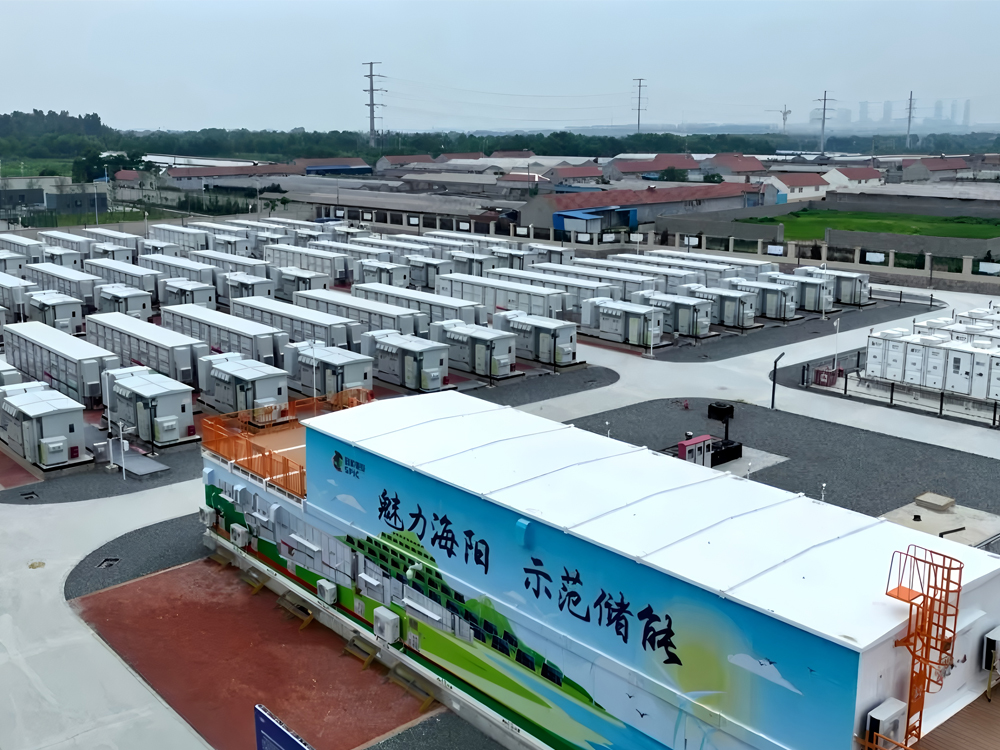
Unmatched Safety Profile of LFP Energy Storage for Commercial Environments Thermal stability and resistance to thermal runaway under real-world stress conditions The chemistry behind LFP (lithium iron phosphate) batteries gives them a real edge whe...
VIEW MORE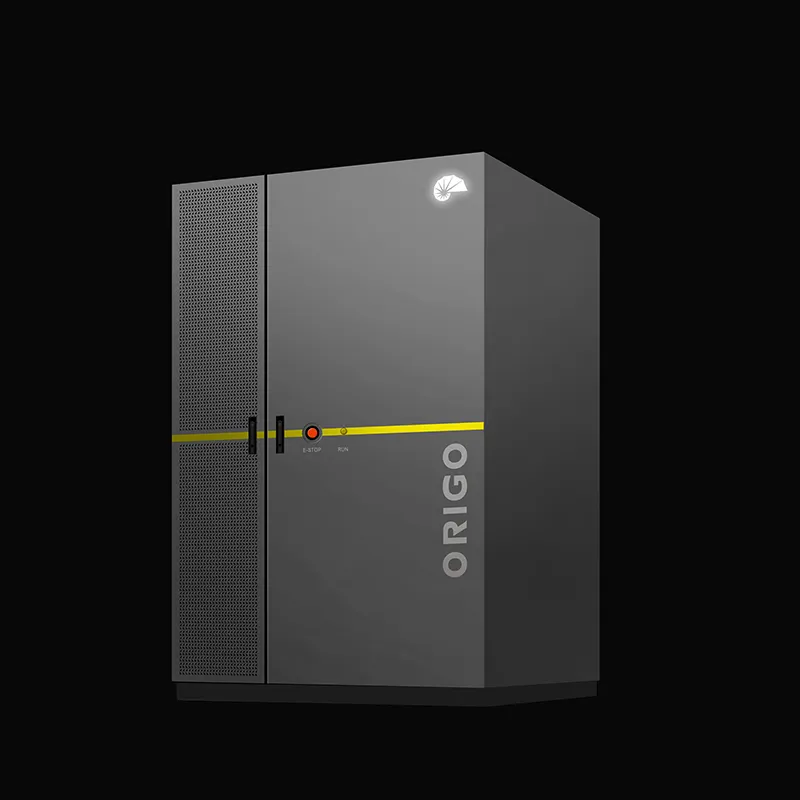
Critical Safety Requirements for Industrial Energy Storage Cabinets Fire Resistance and Internal Fire Suppression Systems For industrial energy storage cabinets, incorporating fire resistant materials alongside compartmentalized module designs and a...
VIEW MORE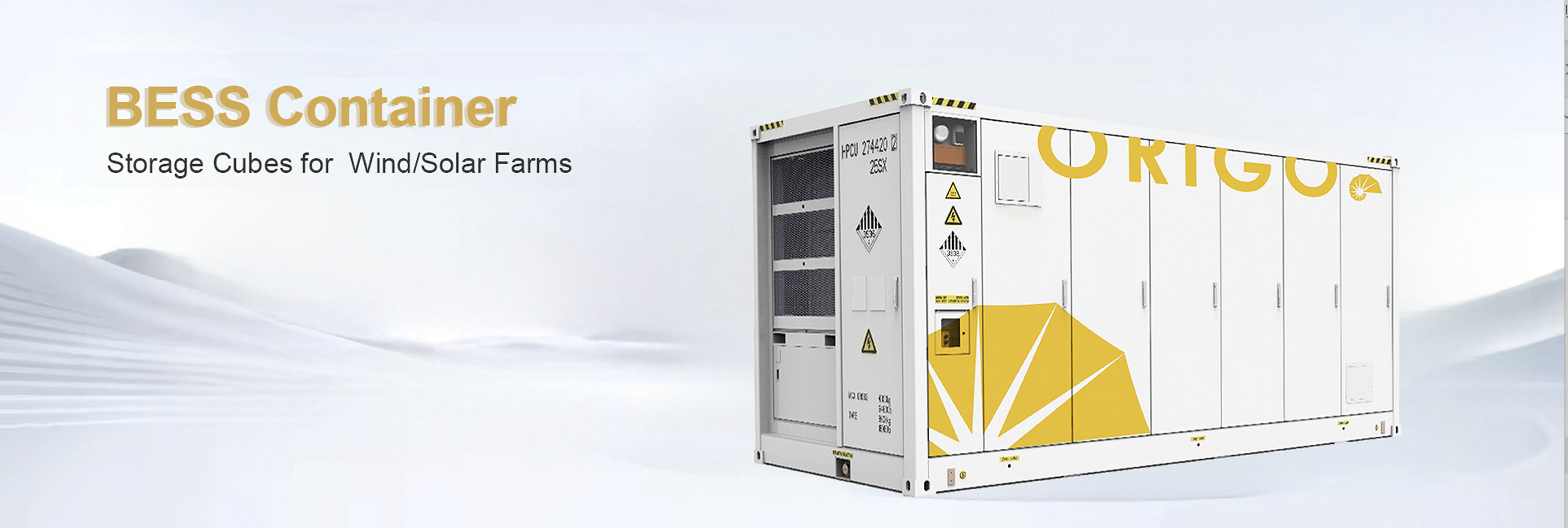
Optimize State of Charge Range to Minimize Electrochemical Stress Keeping lithium batteries healthy over time means managing how we charge them properly. When we stick to charging between about 20% and 80%, instead of letting them go all the way fr...
VIEW MORE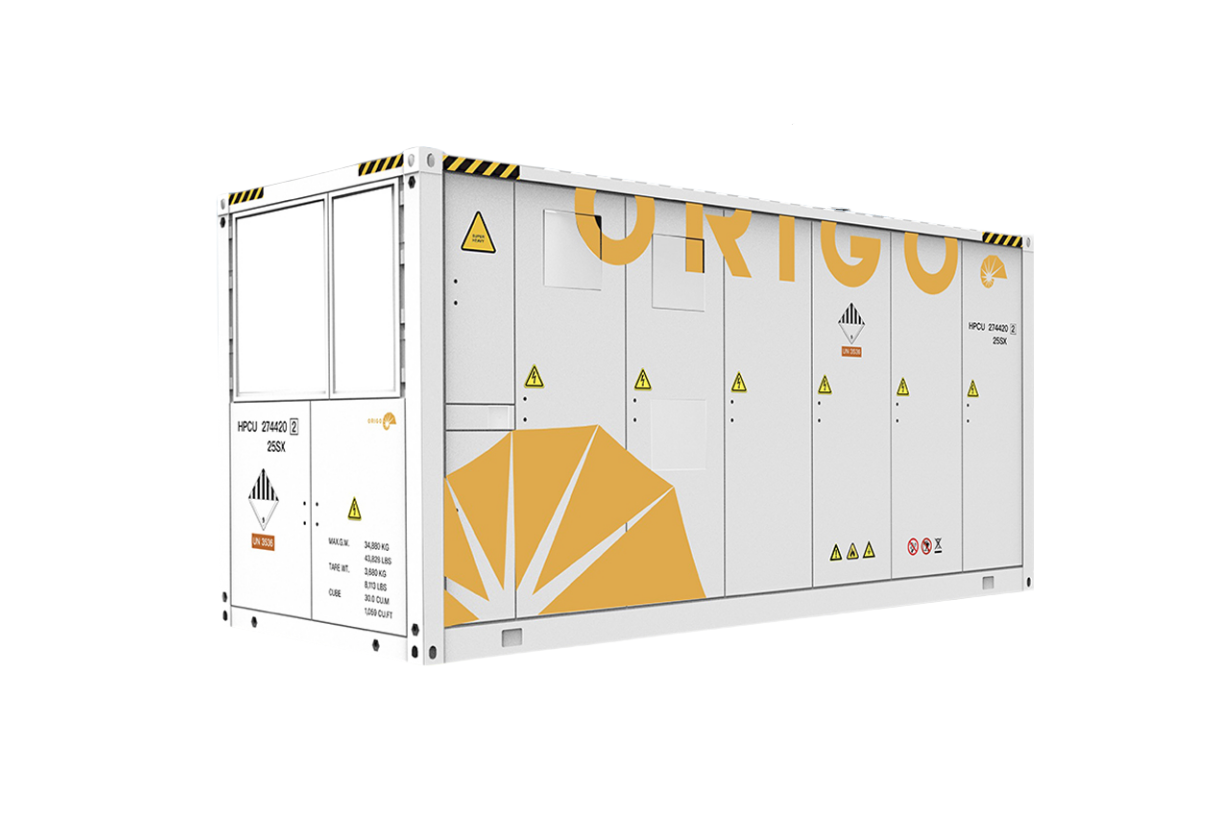
The Core Function of Energy Storage in Virtual Power Plant Operations Temporal Decoupling: Aligning Intermittent Generation with Dynamic Demand Virtual Power Plants or VPPs depend heavily on energy storage solutions to tackle the problem of renewab...
VIEW MORE
We also post our resources on social media. Get the latest ORIGO's progress, insights and activities on renewable energy solutions.
Copyright © 2025 by Origotek Co., Ltd.
 EN
EN