
 EN
EN
What Is an Energy Storage Cabinet and Why It Matters
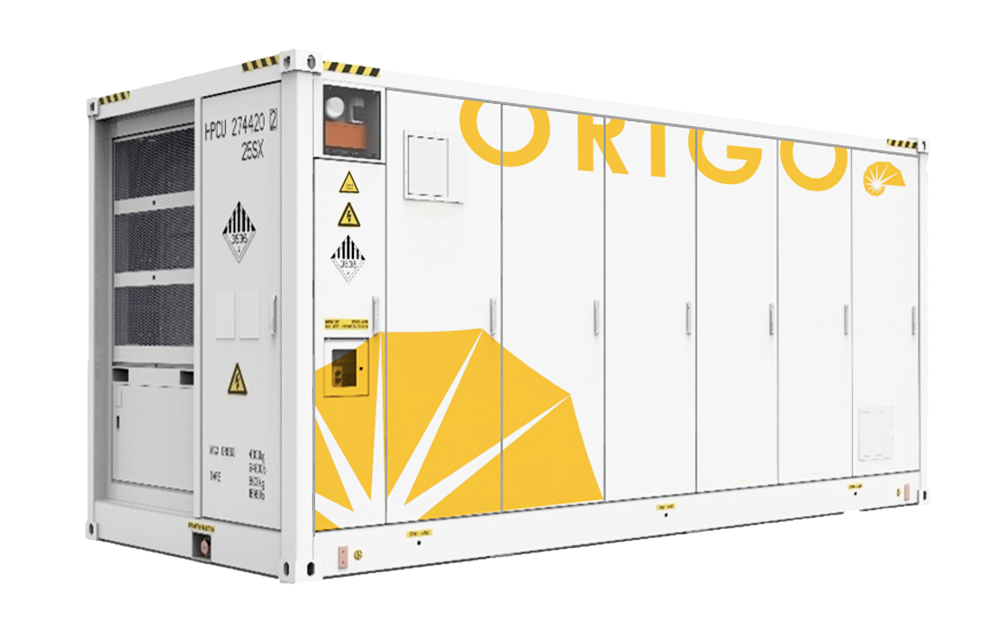
An energy storage cabinet is a self-contained unit designed to store electrical power for commercial and industrial (C&I) facilities. It integrates battery packs, control systems, and power conversion equipment into a single, deployable enclosure. Most cabinets use lithium-ion batteries—primarily LiFePO₄ (lithium iron phosphate) or NMC (nickel manganese cobalt)—paired with a Battery Management System (BMS) to monitor cell health, prevent overcharging, and mitigate thermal risks. An integrated Energy Management System (EMS) optimizes charge/discharge cycles, while built-in inverters convert stored DC power to usable AC for on-site operations.
For businesses, these systems solve two interrelated challenges: cost volatility and operational risk. By storing off-peak grid power or surplus renewable generation (e.g., from rooftop solar), cabinets enable peak shaving—shifting load away from high-tariff periods. This directly reduces demand charges, which account for 30–70% of typical commercial electricity bills. They also deliver seamless backup power during outages, preserving safety compliance, productivity, and revenue continuity. With U.S. power outages costing businesses $150 billion annually (U.S. Department of Energy, 2025), on-site storage has evolved from a sustainability add-on to a core resilience and decarbonization enabler.
Key Components and Technical Specifications of Modern Energy Storage Cabinets
Modern energy storage cabinets rely on sophisticated components to deliver reliable, efficient power for commercial and industrial settings—with technical specs ensuring safety, longevity, and performance.
Battery Modules and Chemistry Options (LiFePO₄, NMC)
Battery modules form the energy reservoir, with chemistry choice shaping system behavior. Lithium Iron Phosphate (LiFePO₄) offers superior thermal stability, longer cycle life (up to 6,000+ cycles), and enhanced safety—making it ideal for mission-critical or high-ambient-temperature environments. Nickel Manganese Cobalt (NMC) provides higher energy density per volume, supporting space-constrained deployments where compactness outweighs extreme longevity. The decision hinges on application priorities: safety and lifespan (LiFePO₄) versus footprint and initial kW/kWh density (NMC).
Integrated BMS, Thermal Management, and Safety Systems
The Battery Management System (BMS) continuously monitors voltage, temperature, current, and state of charge across individual cells—enabling real-time balancing, fault detection, and automated shutdown if thresholds are breached. Active thermal management (typically liquid or forced-air cooling) maintains optimal operating temperatures (20–35°C), preventing accelerated degradation and extending usable life. Complementing these, certified safety systems include UL 9540A–validated fire suppression, arc-flash mitigation, and rapid DC isolation—all essential for mitigating thermal runaway and meeting insurance and regulatory requirements.
Benefits of Deploying Energy Storage Cabinets in C&I Settings
Peak Shaving, Demand Charge Reduction, and Grid Resilience
Energy storage cabinets give C&I facilities precise control over when they draw from the grid. By charging during low-cost, off-peak hours and discharging during high-demand, high-tariff windows, businesses reduce peak demand—directly lowering demand charges that often represent the largest line item on their utility bill. This strategic load shifting not only cuts costs but also strengthens local grid resilience: distributed storage reduces strain during heatwaves or supply shortfalls, and enables faster recovery after disruptions. Manufacturing plants, for instance, avoid costly production halts by maintaining critical processes through brief grid interruptions—turning energy storage into both a financial and operational safeguard.
Enabling Renewable Integration and Backup Power Continuity
Storage transforms intermittent renewables into dispatchable assets. Solar arrays often generate excess midday power that would otherwise be curtailed or exported at low value; cabinets capture that surplus for use during evening peaks or overnight. This increases self-consumption, reduces grid dependence, and accelerates carbon reduction goals. Simultaneously, the cabinet’s sub-second switchover to backup mode ensures uninterrupted operation of essential loads—from data center servers and hospital life-support systems to refrigerated supply chains. When paired with smart EMS logic, these systems can also participate in utility demand response or frequency regulation programs—creating new revenue streams while supporting grid stability.
Selecting the Right Energy Storage Cabinet: Sizing, Certification, and Scalability
Matching kW/kWh Capacity to Load Profiles and Use Cases
Effective sizing begins with granular analysis—not just of average consumption, but of 12+ months of 15-minute interval demand data. Key parameters include:
- Critical load coverage: Required backup duration (e.g., 2–4 hours for IT infrastructure or emergency lighting)
- Peak shaving target: kW capacity needed to cap demand below utility-defined thresholds
- Physical deployment constraints: Footprint, weight limits, ventilation clearance, and modularity for phased expansion
Undersizing risks insufficient backup or incomplete demand charge avoidance; oversizing inflates capital cost and lowers ROI. Modern lithium-based cabinets support scalable, plug-and-play expansion—allowing facilities to start with core resilience needs and incrementally add capacity as loads grow or tariffs evolve.
UL 9540A, UL 1973, and NEC Compliance Considerations
Third-party certification is foundational—not optional. Prioritize cabinets validated to:
- UL 9540A, the definitive standard for evaluating fire propagation risk in battery energy storage systems
- UL 1973, covering safety requirements for stationary battery systems used in industrial applications
- NEC Article 706, governing installation, labeling, spacing, and ventilation per the National Electrical Code
These certifications verify structural integrity, thermal containment, electrical safety, and interoperability—reducing liability exposure, satisfying insurer underwriting criteria, and avoiding costly retrofits or operational stoppages due to noncompliance.
Installation, Maintenance, and Lifecycle Expectations
Proper installation is non-negotiable for safety, performance, and warranty validity. Only qualified, manufacturer-certified technicians should handle site preparation, grounding, DC/AC interconnection, commissioning, and integration with existing building management or EMS platforms—adhering strictly to NEC 2023 and local AHJ requirements.
Post-installation maintenance is intentionally minimal but deliberate: quarterly visual inspections (ventilation paths, corrosion, signage), annual infrared thermal scans of battery modules and connections, and scheduled software/firmware updates. Proactive BMS monitoring—tracking cell variance, impedance drift, and cooling efficiency—enables predictive interventions before failures occur.
With proper operation, LiFePO₄–based cabinets typically deliver 10–15 years of service, retaining ~80% of original capacity after 6,000 full cycles. Factor in end-of-life planning: recycling costs range from $5–$15/kWh, and second-life applications (e.g., less-demanding backup or grid-support roles) may retain residual value—extending total asset economics beyond the primary duty cycle.
FAQ
What types of batteries are commonly used in energy storage cabinets?
Most energy storage cabinets utilize lithium-ion batteries, primarily LiFePO₄ (lithium iron phosphate) or NMC (nickel manganese cobalt), for their reliability and efficiency.
How does energy storage help reduce electricity bills?
Energy storage cabinets help reduce electricity bills by allowing businesses to store off-peak grid power or surplus renewable energy and use it during high-tariff periods, thus reducing demand charges.
What are the main benefits of energy storage cabinets in a commercial setting?
In commercial settings, energy storage cabinets provide benefits such as peak shaving, demand charge reduction, grid resilience, renewable integration, and backup power continuity.
What certifications should I look for when choosing an energy storage cabinet?
Look for certifications like UL 9540A, UL 1973, and NEC Article 706, which ensure safety, structural integrity, and compliance with industry standards.
Table of Contents
- What Is an Energy Storage Cabinet and Why It Matters
- Key Components and Technical Specifications of Modern Energy Storage Cabinets
- Benefits of Deploying Energy Storage Cabinets in C&I Settings
- Selecting the Right Energy Storage Cabinet: Sizing, Certification, and Scalability
- Installation, Maintenance, and Lifecycle Expectations
- FAQ